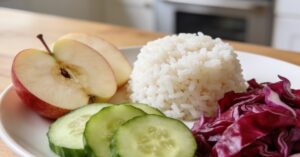
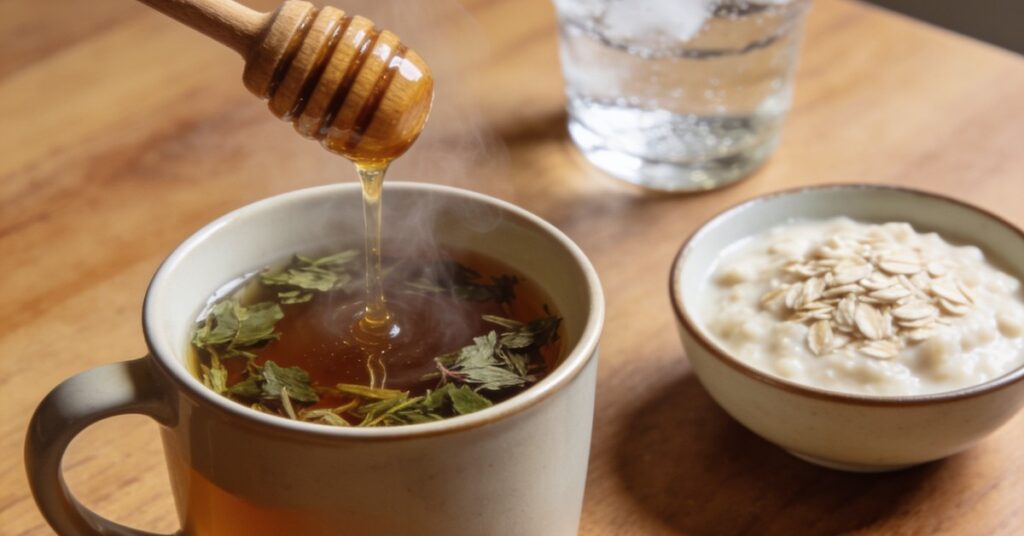
Managing the discomfort of a sore throat is a fundamental aspect of self-care that can significantly influence your recovery speed and daily comfort. In this article, I will provide evidence-based guidance on which foods and drinks effectively soothe inflammation, which textures to avoid, and how to recognise when it is time to seek professional medical attention. By making informed dietary choices today, you can gain greater control over your symptoms and support your body’s natural healing process.
The most effective approach to managing a sore throat involves consuming soft, nutrient-dense foods and hydrating beverages that soothe the pharyngeal mucosa while avoiding mechanical irritants. Prioritising cool, smooth textures like ice pops or yogurt can provide immediate numbing, while warm, salt-based liquids help reduce inflammation and keep the throat moist. Ever wondered if there is a faster way to manage this? Sticking to these simple dietary adjustments is often the most underrated tool in your recovery toolkit, as choosing the right food for sore throat relief can significantly shorten your downtime.
Food for sore throat
Nutritional strategies for relieving throat discomfort
When suffering from a sore throat, it is essential to prioritise nourishment that is soft, well-moistened, and served at a mild temperature, ensuring they are effortless to swallow. It is advisable to steer clear of items that are crunchy, piquant, or highly acidic, as these characteristics can easily aggravate or irritate already inflamed tissues.
Optimal food and beverage choices
Selecting items with a smooth texture is generally the safest approach during a throat infection. The goal is to avoid any mechanical irritation while supporting the body’s recovery process.
Recommended intake
- Honey: Serves as an excellent natural coating for the throat and helps suppress coughing. It can be taken directly by the spoonful or stirred into a cup of warm tea.
- Warm broths and soups: Clear vegetable or chicken stocks offer essential hydration and provide a soothing warmth to help relax the throat area.
- Soft and creamy options: Items such as fruit smoothies, plain yoghurt, lightly scrambled eggs, and well-mashed potatoes are easy to consume without any discomfort.
- Cold refreshments: Sucking on ice chips, sugar-free ice lollies, or enjoying soft-serve ice cream can provide temporary numbness, which may assist in reducing localized swelling.
Foods to approach with caution
Certain textures and ingredients are known to exacerbate the pain associated with a swollen throat. Identifying these triggers is vital for a speedy recovery:
- Coarse and crunchy items: Foods with a rough profile, including dry toast, crisps, crackers, and raw vegetables, may scratch sensitive areas.
- Acidic products: Citrus fruits—such as oranges and lemons—and tomato-based sauces often cause a burning sensation.
- Alcohol and caffeine: These substances can lead to dehydration, which further dries out the throat lining.
Additional care and dietary tips
If you find that swallowing is particularly challenging, try incorporating liquids like milk, broth, or gravy to soften your food. Avoid items like sticky nut butters or heavy, doughy bread that may easily adhere to the throat lining. It is also beneficial to gargle with warm, salted water to maintain hygiene, ensure you remain hydrated by drinking plenty of fluids, and remain diligent about avoiding smoke or smoky environments. Herbal teas are a superior alternative to sugary drinks; simply ensure they are lukewarm rather than scalding to avoid further distress.
Final considerations
Whether your discomfort stems from a viral infection, seasonal allergies, or a common cold, adhering to a diet of gentle, soothing foods will assist in alleviating symptoms. Should your condition persist or worsen, it is advisable to seek expert medical advice to determine if further treatment is required.
Best food for sore throat relief and how to treat a sore throat
You should prioritise soft, easy-to-swallow foods such as mashed potatoes, scrambled eggs, oatmeal, and bananas to minimise friction against your inflamed throat tissues. These items provide essential calories and nutrients without the risk of aggravating sensitive areas, making them the gold standard for your recovery diet when swallowing feels difficult.
Incorporating plain yoghurt is another excellent strategy, as its cool, slippery consistency offers a soothing sensation that coats the throat. Complement these meals with chicken or vegetable broths, which are not only hydrating but also provide the comfort of warmth and necessary electrolytes. Always remember that adding one to two tablespoons of honey to herbal teas—such as chamomile, peppermint, or ginger—is a highly effective way to create a protective barrier over the throat lining. Important: Never give honey to infants under 12 months old, as it carries a risk of infant botulism.
Selecting cold or warm foods and drinks to relieve a sore throat
Choosing between warm and cold items should be based on your immediate symptom relief needs, as both temperatures offer distinct physiological advantages for pain management. Use this comparison table to decide what fits your current state best:
| Temperature | Primary Benefit | Top Recommendations |
|---|---|---|
| Cold | Numbing & vasoconstriction | Ice chips, popsicles, chilled pudding |
| Warm | Muscle relaxation & blood flow | Broth, hot soup, oatmeal, tea |
Cold therapy, including ice water and ice chips, is particularly effective because it induces local vasoconstriction, which helps to decrease inflammation and swelling while numbing the sore areas. Conversely, warm options like hot soup help to relax tense throat muscles and improve local blood flow, which can assist in the healing process. Sodium present in chicken or vegetable broths provides a mild, soothing effect that can further reduce the sensation of pain. Many people wonder if taking this medication on an empty stomach is okay, but from my experience, following the leaflet guidelines strictly saves a lot of unnecessary discomfort during your recovery.
Essential foods to avoid for a sore throat
You must avoid foods with sharp, crunchy, or abrasive textures, as these can physically lacerate the delicate, inflamed tissues of your throat. These items increase friction during swallowing, which often results in heightened pain and a prolonged recovery period. From my experience, skipping that bag of crisps for a few days is well worth the trade-off for a faster recovery.
- Crunchy snacks: Chips, pretzels, and nuts.
- Rough textures: Crackers and crusty bread.
- Irritants: Spicy seasonings and sauces.
- Dehydrating agents: Sodas and alcohol.
Avoiding these irritants is a crucial step in managing your condition effectively. When you are looking for the best food for sore throat management, the absence of abrasive particles is just as important as the presence of soothing, soft ingredients. By removing these triggers from your pantry for a week, you create the necessary conditions for your throat lining to repair itself without further mechanical damage.
Natural home remedies to cure a sore throat
Natural remedies such as saline gargles and environmental adjustments are highly effective ways to soothe throat pain and maintain mucosal moisture. Follow these steps to prepare a proper saline gargle:
- Dissolve 1/2 teaspoon of salt in a glass of warm water.
- Alternatively, mix 1/8 teaspoon of salt and 1/4 teaspoon of baking soda in one cup of warm water.
- Gargle gently to help draw out excess fluid from inflamed tissues.
- Spit the solution out; do not swallow it.
Beyond gargling, using a cool-mist humidifier in your living space is vital for keeping the throat moist. For persistent pain, sucking on ice chips or hard sweets can provide a sustained numbing effect. Additionally, you may try mixing two parts honey with one part Aroma-Zone Organic Turmeric Powder as a natural, anti-inflammatory supplement to your recovery routine.
Recognising sore throat symptoms and when to see a GP
You should seek professional medical advice if your sore throat does not improve within 10 to 14 days or if you notice severe warning signs that suggest a more serious underlying condition. A persistent sore throat that lasts longer than one week warrants a consultation with your GP to rule out chronic issues or bacterial infections.
Remember: Immediate medical attention is necessary if you experience difficulty breathing, signs of dehydration, or if you notice blood in your saliva or phlegm. In the case of young children, excessive drooling is a specific red flag that requires an urgent assessment. Furthermore, if you develop a high fever of 103 F (39.4 C) or higher, it is essential to be evaluated by a healthcare professional, as most viral sore throats typically resolve on their own within five to seven days.
Frequently Asked Questions
Can I use smoothies as a food for sore throat recovery?
Yes, smoothies can be an excellent way to get nutrients when eating solid food is painful. Ensure they are not too acidic, such as avoiding high-citrus fruits, and consider blending in yoghurt for a smoother, more soothing texture.
Is it necessary to consult a pharmacist about my throat pain?
Consulting a pharmacist is highly recommended if you are unsure which over-the-counter medications are safe for your specific symptoms. They can provide valuable advice on interactions and help you select the most appropriate lozenges or sprays to relieve a sore throat.
Are mashed vegetables a good choice for a sore throat?
Yes, any soft mash like potatoes, carrots, or squash is ideal because it requires minimal effort to swallow. These provide essential vitamins and minerals without the mechanical irritation caused by crunchy or chewy foods.
Should I avoid dairy if I have a sore throat?
Contrary to popular belief, dairy like plain yoghurt is generally safe and often recommended for its cooling, soothing properties. Unless you have a specific allergy or notice increased mucus thickness that bothers you, there is no clinical reason to avoid it.
Prioritising soft, soothing textures and maintaining consistent hydration will significantly alleviate your discomfort while your body naturally heals. Remember to listen to your throat’s signals and seek professional advice if symptoms persist beyond a week, ensuring you get the care you truly need.