Managing your potassium intake is a vital component of maintaining renal function and supporting long-term heart health when living with kidney disease. In this guide, you will discover evidence-based lists of Low Potassium Foods, practical strategies for meal planning, and essential tips to help you regain control over your daily nutrition. By understanding these dietary adjustments, you can confidently navigate your health journey while effectively reducing the workload on your kidneys and protecting your overall well-being.
The core objective of consuming Low Potassium Foods is to keep your blood mineral levels within a safe range, typically preventing hyperkalaemia, which is a common and serious complication for those with chronic kidney disease. Potassium is a mineral that is essential for normal body function, but when your kidneys are not working properly, they cannot filter the excess out of the bloodstream efficiently. By prioritising foods containing less than 200 mg of potassium per serving, you directly reduce the burden on your renal system. This dietary shift is not merely about restriction; it is a fundamental pillar of medical management designed to protect your heart and neuromuscular system from the complications of mineral overload.
Low potassium foods
Identifying Low-Potassium Dietary Choices
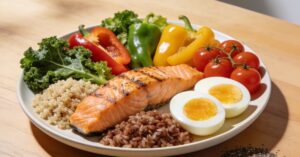
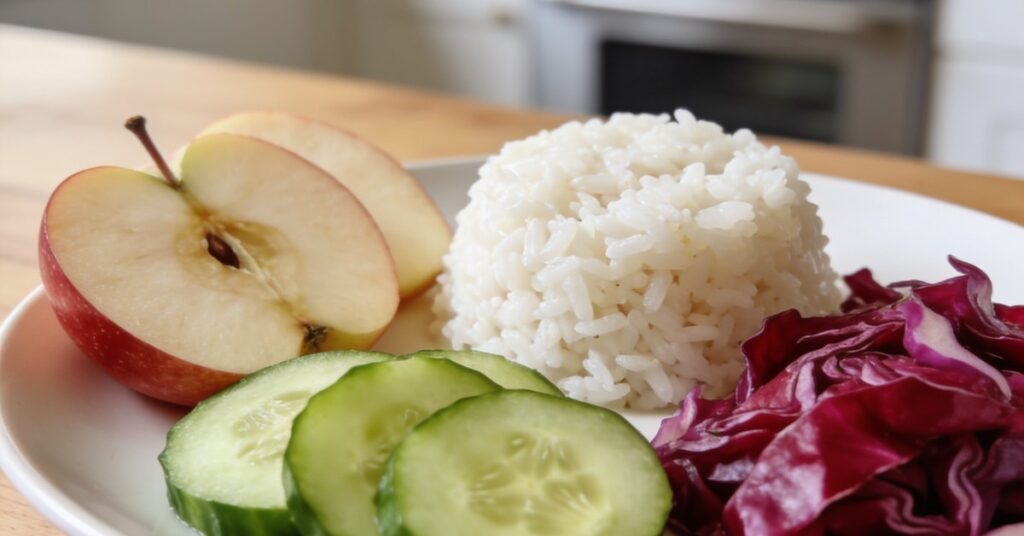
Incorporating items lower in potassium into your daily meals is manageable with the right selections. Ideal choices include various fruits such as apples, berries, grapes, and pineapple, alongside vegetables like cabbage, carrots, green beans, and cauliflower. For starch and protein intake, options such as white or wholemeal bread, pasta, rice, noodles, bagels, couscous, eggs, chicken, turkey, beef, pork, and fresh or tinned fish are generally suitable.
Preparation Techniques and Portion Control
Beyond specific food choices, the way you prepare your meals significantly influences mineral content. Boiling vegetables and discarding the cooking water helps to leach out excess potassium. Always be mindful of your portion sizes to ensure you stay within your recommended nutritional guidelines.
Fruits and Vegetables Suitable for a Low-Potassium Diet
When selecting produce, focus on the following items:
- Fruits: Apples, applesauce, blackberries, blueberries, cherries, grapes, peaches, pears, pineapple, raspberries, strawberries, and watermelon.
- Vegetables: Alfalfa sprouts, broccoli (raw or frozen), cabbage, cooked carrots, cauliflower, celery, cucumber, eggplant, green beans, kale, lettuce, raw mushrooms, onions, green peas, peppers, radish, and zucchini.
Grains, Proteins, and Fats
Maintaining a balanced intake is simple when including these staples:
- Grains and Starches: Choose from white bread, pitta bread, bagels, couscous, rice, various noodles, and low-fibre breakfast cereals.
- Proteins: Lean meats like chicken, turkey, beef, and pork, as well as eggs and most types of fish.
- Dairy and Fats: Butter, vegetable oils, margarine, and mayonnaise are typically low in potassium.
Flavourings and Miscellaneous Items
You can enhance the taste of your meals using various herbs and condiments without adding significant amounts of potassium:
- Herbs and spices
- Garlic and black pepper
- Vinegar
- Mustard and salad cream
- Jams, marmalades, and lemon curd
Important Precautions and Dietary Advice
Certain items should be avoided to prevent excessive intake. It is generally advised to avoid avocados, bananas, oranges, tomatoes, potatoes, dried fruits, and most nuts. Most importantly, never use salt substitutes, as these products replace sodium with high concentrations of potassium. Always ensure that you are referencing current information from reputable health organisations such as the British Dietetic Association or established kidney foundations, as nutritional guidance can evolve.
Why a Low Potassium Diet and Control of Potassium Levels Matter for Kidney Disease
A low potassium diet is essential for individuals with kidney disease because it prevents hyperkalaemia, a life-threatening condition where high potassium levels in the blood rise too high for the body to manage. By maintaining your daily intake between 2,000 to 3,000 mg, you ensure that your body does not accumulate toxic levels of this mineral. This controlled approach is a primary intervention to slow the progression of chronic kidney disease and reduce the overall workload on your renal system, which is crucial when your kidneys are not working at full capacity.
Beyond protecting your kidneys, this diet prevents dangerous electrical signalling issues in the heart, as excess potassium can interfere with the rhythm and contraction of cardiac muscle. Furthermore, adhering to these guidelines helps manage neuromuscular issues, such as painful cramping or chronic weakness, that often plague people with kidney problems. For patients who also manage diabetes, keeping potassium intake stable is a critical component of metabolic control, ensuring that your body functions efficiently without the threat of electrolyte imbalances. Following the dietary advice provided by your medical team or a specialist dietitian is the best way to ensure you are meeting your specific nutritional requirements while keeping your blood potassium within a healthy potassium level.
Recognizing When Levels Are Too High and Signs of Blood Potassium Imbalance
High potassium levels are indicated by a range of physical symptoms that require immediate medical attention to prevent severe cardiac or neuromuscular complications. You should be particularly alert for chest pain, heart palpitations, or arrhythmia, which manifest as an irregular, fast, or fluttering heartbeat caused by the heart’s inability to process electrical signals correctly. When the amount of potassium in your body remains elevated for too long, it can lead to acute medical emergencies that require intervention at a local NHS Trust or teaching hospitals NHS trust.
| Symptom Category | Specific Warning Signs |
|---|---|
| Cardiac | Chest pain, palpitations, arrhythmia |
| Neuromuscular | Muscle weakness, numbness, tingling |
| Gastrointestinal | Nausea, vomiting, diarrhoea, abdominal pain |
| Respiratory | Shortness of breath |
Ever wondered if there is a way to track these changes? Dealing with these symptoms can be frustrating, but keeping a simple daily symptom diary helped me stay on top of things and provided my doctor with clear data during check-ups. If you experience these indicators, you must seek professional help, as they represent a significant risk to your cardiovascular stability. It is also important to note that many people with kidney disease may not show symptoms until levels are too high, which is why regular blood monitoring is essential to manage your kidney health effectively. Understanding the potassium content of the food you consume is the first step in avoiding these dangerous spikes.
Selecting Low Potassium Food and Fruit and Vegetables
You can easily manage your renal health by choosing fruits and vegetables that contain less than 200 mg of potassium per serving. Apples, pears, grapes, and small citrus fruits such as satsumas and clementines are excellent, safe choices for your daily fruit consumption. These specific Low Potassium Foods are foundational to a diet that supports renal health without sacrificing flavour or nutritional variety. It is a common misconception that all healthy produce is safe; however, while fruit and vegetables are part of a healthy diet, some are high in potassium and should be limited.
- Fruits: Apples, pears, grapes, satsumas, clementines.
- Vegetables: Red cabbage, cooked carrots, cauliflower, celery, cucumber.
- Other staples: Green beans, peas, alfalfa sprouts, bean sprouts.
When opting for tinned fruit, always ensure it is drained, as this removes the liquid in which potassium is often concentrated. Important: Always check labels on tinned goods to ensure no potassium-based preservatives have been added during processing, as these hidden additives can quickly push your daily total over the recommended threshold. Remember that certain vegetables contain potassium in high amounts, so portion control is just as vital as the selection of the food itself. Always consult the National Kidney Foundation guidelines if you are unsure about the safety of a specific item.
Strategies to Lower Your Potassium Levels and Manage Starchy Foods
Effective meal planning for beginners relies on staying below a daily potassium limit of 2,000 mg, with a target of 600–700 mg per main meal and 100–200 mg per snack. To achieve this, you should prioritise grains such as white rice, pasta, noodles, and old-fashioned oats, which are generally lower in mineral content than many whole-grain alternatives. While starchy foods are a staple of many diets, you must be cautious, as some, like potatoes, are naturally high in potassium and need preparation to be safe.
- Peel and slice your potatoes and vegetables thoroughly to increase surface area for leaching.
- Soak the pieces in a large bowl of water for at least two hours to pull out the mineral.
- Discard the soaking water entirely, as it will now contain a significant amount of the mineral.
- Boil the vegetables in a fresh pot of water to finish cooking, which further reduces the potassium content.
This leaching process is a game-changer for renal patients. From my experience, preparing a batch of leached vegetables on a Sunday saves a lot of time during the work week and ensures you don’t fall back into old, less healthy habits when you are tired. It is a simple, mechanical step that significantly widens the range of vegetables you can safely enjoy while keeping your blood markers in the ideal zone. By learning to boil potatoes and vegetables correctly, you can still include them in a casserole or other favourite dishes without compromising your kidney-friendly diet.
Checking Food Labels for High Potassium Foods and Potassium Additives
Snacking safely on a renal diet involves choosing items that contain less than 200 mg of potassium per serving to ensure you stay within your daily nutritional targets. You can enjoy a half-cup of strawberries, blueberries, or raspberries, or keep things savoury with sliced cucumbers or bell peppers paired with one tablespoon of hummus or cream cheese. Checking food labels is a non-negotiable habit for anyone trying to manage their kidney health, as processed foods are frequently laden with hidden additives.
For those who prefer pantry snacks, plain or air-popped popcorn is a safe choice, as are rice cakes in flavours like apple, cinnamon, berry, or chocolate. You might also enjoy plain biscuits such as shortcake, digestive, rich tea, or Marie biscuits, or indulge in marshmallows, mints, and plain boiled sweets. If you are craving something crunchy, a 30g serving of prawn crackers is an acceptable treat that fits comfortably within your daily limit. Be wary of salt substitutes, as many contain potassium chloride, which can cause an immediate and dangerous increase in your potassium levels. Always review the ingredients list for items like potassium additives, as these are not always included in the basic nutrition facts panel.
Frequently Asked Questions
How do I identify potassium additives on food labels?
You must look for ingredients containing the word „potassium” on the label, such as potassium chloride, potassium sorbate, or potassium phosphate. These chemical additives are common in processed foods and can cause rapid, unexpected spikes in your blood levels, making it difficult to control the levels of potassium.
Are dairy foods harmful to kidney patients?
Many dairy foods are high in both potassium and phosphate levels, which can be problematic for those with advanced renal disease. It is best to work with your dietitian to find suitable, lower-phosphorus alternatives that still provide necessary calcium without contributing to high levels of potassium.
Is the leaching process effective for frozen vegetables?
Leaching is primarily recommended for fresh root vegetables rather than frozen ones, as frozen varieties may already have undergone blanching processes that affect their mineral content. Always check the nutritional information on the packaging to determine if frozen options fit within your target range for a low sodium and low potassium intake.
What defines high potassium foods versus low potassium foods?
Foods are considered high in potassium if they contain more than 200 mg per standard serving, necessitating careful portion control or strict avoidance. Conversely, Low Potassium Foods provide less than 200 mg per serving, making them the preferred choice for people with kidney disease who need to maintain stable blood markers.
Consistent adherence to the leaching process for root vegetables remains your most reliable method for controlling mineral intake when preparing home-cooked meals. By prioritising these small, deliberate dietary adjustments, you can effectively safeguard your kidney health and improve your overall well-being with confidence.