Understanding the complexities of human anatomy is essential for managing your health and navigating medical concerns with confidence. In this article, you will learn the scientific facts behind rare congenital conditions and gender-affirming transitions, helping you distinguish between medical myths and clinical realities. We provide evidence-based insights to ensure you know exactly what to expect and how to approach these topics with informed clarity.
To answer the question of does man have uterus directly: a biological male does not typically possess a uterus, as this organ is exclusive to the female reproductive system; however, there are rare medical exceptions involving genetic anomalies or specific gender-affirming contexts. Under normal physiological circumstances, the reproductive systems are defined by distinct chromosomal patterns, with females carrying two X chromosomes and males carrying one X and one Y chromosome. While most individuals follow typical developmental pathways, understanding the rare instances where these norms are challenged is vital for anyone seeking a comprehensive grasp of human health. Many people often ask does man have uterus in a state of confusion, but clinical evidence shows that unless an individual has a specific congenital disorder or is a transgender man, the presence of a uterus is not a standard feature of male anatomy.
Does man have a uterus
General Biological Overview
Biologically speaking, individuals assigned male at birth do not possess a uterus. This organ is a fundamental component of the female reproductive system and is not typically found in the male anatomy.
Rare Exceptions and Medical Contexts
While the standard biological rule excludes the presence of a uterus in males, there are distinct circumstances where this organ may be present:
- Transgender Men: Individuals assigned female at birth who transition to a male identity may retain their uterus, provided they have not opted for gender-affirming surgical interventions such as a hysterectomy.
- Persistent Müllerian Duct Syndrome (PMDS): This represents a rare genetic anomaly where a child born with male external genitalia also develops a uterus and fallopian tubes. In such instances, the internal reproductive organs are generally incapable of supporting a pregnancy and are frequently identified as unexpected findings during unrelated medical procedures, such as hernia repairs or the treatment of undescended testicles.
Pregnancy and Reproductive Considerations
It is important to distinguish between biological sex and gender identity regarding reproductive capabilities. While individuals who are born male and live as men cannot carry a pregnancy, transgender men or non-binary individuals who retain a uterus may be biologically capable of becoming pregnant. The potential for pregnancy in these cases often depends on individual hormonal health and the specific anatomical state of the reproductive system.
Surgical Procedures and Gender-Affirming Care
A hysterectomy is frequently performed as part of gender-affirming healthcare for transgender men and non-binary individuals. Accessing accurate information regarding this procedure remains a crucial aspect of transition-related medical care. Furthermore, managing menstrual health is a relevant consideration for non-binary and transgender individuals who were assigned female at birth and possess a uterus.
Understanding Persistent Müllerian Duct Syndrome
Persistent Müllerian Duct Syndrome is a form of disorder of sexual development. Although those affected by this condition present with typical male external genitalia, the presence of internal female reproductive structures necessitates specialized medical monitoring. The biological development of the human body is intricate, and clinical anomalies such as PMDS highlight the complexity of sexual differentiation.
Understanding Persistent Mullerian Duct Syndrome and the Reproductive System
Persistent Mullerian Duct Syndrome is a rare congenital disorder where a biological male with a normal 46,XY karyotype retains a uterus and fallopian tubes. This condition occurs as an autosomal recessive trait, meaning it is inherited when both parents carry the genetic mutation, which specifically involves defects in the MIF gene or issues regarding Anti-Mullerian Hormone production and receptor sensitivity. Ever wondered how such a fundamental developmental process can go off-track? In typical male development, Anti-Mullerian Hormone is responsible for the regression of the Mullerian ducts—the embryonic structures that would otherwise become the uterus and fallopian tubes—but in this syndrome, this process fails to occur, leaving these structures intact within the male body.
Clinical Signs and Symptoms of the Condition
Most patients with Persistent Mullerian Duct Syndrome possess normal male external genitalia, which means the condition often remains completely asymptomatic and undetected until a surgical intervention reveals the internal anomaly. The diagnosis is frequently made during routine surgery for cryptorchidism, which involves undescended testes, or when a patient presents with an inguinal hernia. In 80–90% of cases, the presence of the uterus is identified within the hernial sac, a condition clinically referred to as hernia uteri inguinalis, where the displaced uterus is pulled into the inguinal canal.
Managing Long-term Health and Genetic Testing
Living with this anomaly requires ongoing medical vigilance, as the presence of these internal organs can lead to several specific health complications. Patients may experience hematospermia, a condition involving the presence of blood in the semen, and face a statistically higher risk of developing testicular malignancy. Dealing with these medical surprises can be daunting, but keeping a simple symptom diary helped me and many others I’ve advised stay on top of things before meeting with a specialist. You should monitor for any unusual pelvic pain or urinary issues, as these could signal that the retained structures are causing secondary irritation, often necessitating Genetic Testing to confirm the underlying hormonal insensitivity.
Important: If you discover an inguinal hernia or have a history of undescended testes, ensure you discuss the possibility of anatomical anomalies with your surgeon before any planned repair to avoid unexpected findings during the procedure.
Reproductive Anatomy in Transgender Men Born With A Uterus
Transgender men are assigned female at birth and are born with a fully functioning uterus and ovaries, which remain present throughout their lives unless a surgical procedure is performed to remove them. It is a common misconception that hormone replacement therapy, such as testosterone, acts as a substitute for surgical intervention; however, while testosterone can suppress menstruation, it does not remove the internal reproductive organs. Consequently, transgender men retain the biological capability to conceive and carry a child until they choose to undergo a hysterectomy. When people inquire does man have uterus in the context of gender identity, it is important to acknowledge that transgender men are men who may still possess original reproductive anatomy, requiring specific, respectful medical management.
| Factor | Testosterone Therapy | Hysterectomy |
|---|---|---|
| Primary Goal | Hormonal transition | Surgical removal of uterus |
| Effect on Uterus | Suppression only | Permanent removal |
| Fertility | Not guaranteed to stop | Terminates capability |
Surgical Options for Uterus and Ovaries Removal
A laparoscopic hysterectomy is the most common surgical method used by transgender men to remove the uterus and ovaries as part of their gender-affirming care. Clinical research continues to evolve rapidly in this field, with significant contributions from experts like M. Carbonnel, whose 2021 research has been cited 32 times for its depth in understanding the uterus in transgender populations. As of 23 October 2025, new studies have even begun to explore the potential for transgender men to act as uterus donors, marking a significant milestone in reproductive medicine and surgical ethics.
Distinguishing Typical Female Reproductive and Male Reproductive Systems
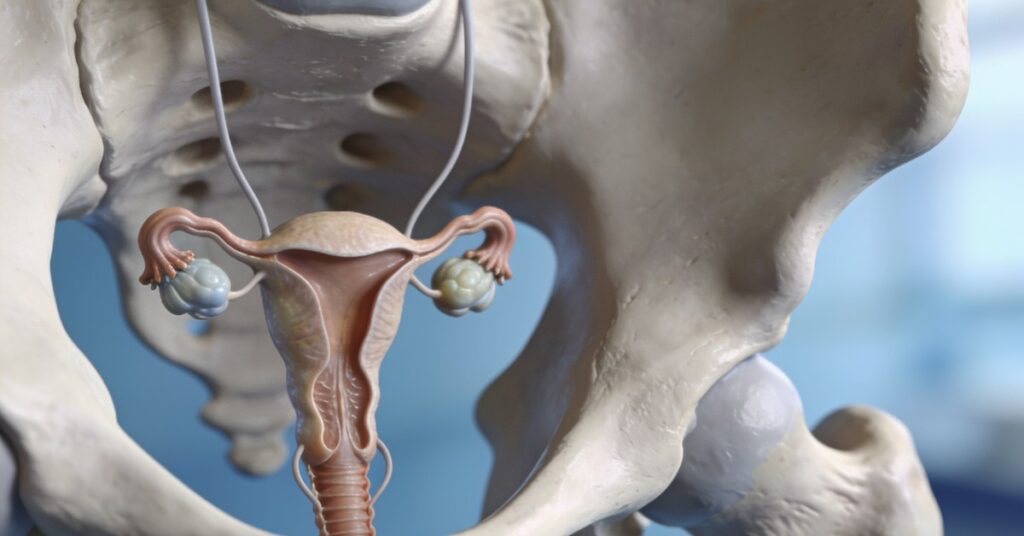
The female reproductive system is anatomically distinct, featuring internal organs such as the uterus, cervix, ovaries, and fallopian tubes, which are designed for the transport of eggs and the development of a foetus. The uterus is a hollow, muscular organ solely found in this system, connected to the vagina, which serves as the muscular canal leading to the exterior of the body. In contrast, the male system is characterised by the external placement of the testes within the scrotum, which is essential for optimal sperm production, and the use of the vas deferens to transport sperm to the urethra.
The Current State of Uterine Transplantation and PUBMED Documentation
A uterus transplant has never been successfully performed on an individual who was assigned male at birth, as current medical practice is focused on addressing infertility in cisgender women. While the first successful uterus transplant in the United States was a landmark procedure that took nine hours to complete, the complexity of such surgery remains immense. Leading institutions, such as the Cleveland Clinic, have planned at least nine additional transplants as part of ongoing clinical trials to refine the safety and efficacy of the procedure, while researchers like B.P. Jones continue to publish work on the feasibility of uterine transplantation for broader patient groups, including transgender women, as documented in various records on PUBMED.
Frequently Asked Questions
Is Persistent Mullerian Duct Syndrome considered an infectious disease?
No, this syndrome is a strictly genetic, autosomal recessive disorder caused by hormonal or receptor mutations and cannot be transmitted to others. It is a congenital condition present from birth due to specific inherited traits.
What is the primary function of the cervix in the female reproductive system?
The cervix serves as the lower, narrow portion of the uterus that opens into the vagina and acts as a gateway for sperm and menstrual fluid. It provides structural support and plays a critical role in the reproductive process by facilitating the transport of reproductive cells.
Are there non-surgical ways to manage the presence of a uterus in transgender men?
While hormone replacement therapy can suppress the function of the uterus and ovaries, it does not physically remove these organs from the body. Individuals seeking a permanent anatomical change must consult with a surgeon to discuss a laparoscopic hysterectomy.
How does Transverse Testicular Ectopia relate to the male reproductive system?
This is a rare condition associated with Persistent Mullerian Duct Syndrome where both testes descend into the same inguinal canal, often discovered during surgical exploration. It highlights the complex developmental links between the descent of the testes and the regression of female-typical ductal structures in biological males.
Whether dealing with rare genetic conditions or gender-affirming care, prioritizing clear communication with your medical team ensures that your unique anatomical needs are handled with the precision and respect you deserve. Always advocate for a thorough pre-surgical assessment if you have a history of undescended testes or inguinal hernias to guarantee your long-term health and peace of mind.