
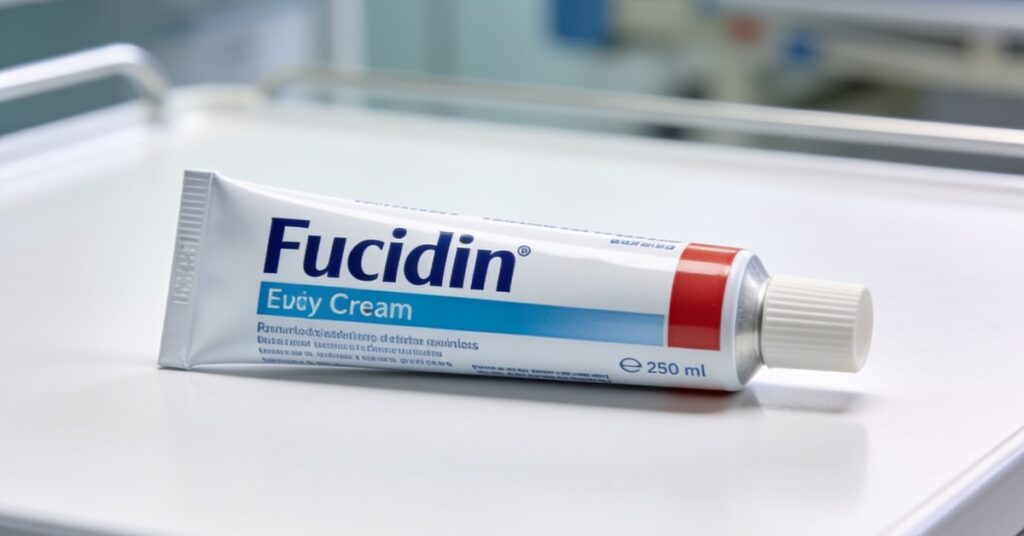
Dealing with persistent or painful skin infections can be both physically uncomfortable and deeply concerning, making it essential to have clear, expert-led guidance for your recovery. In this article, you will learn exactly how Fucidin Cream works to combat bacterial infections, receive practical advice on its proper application, and understand the necessary safety precautions to ensure effective treatment. By following these evidence-based insights, you can approach your recovery with confidence and manage your skin health with the care it deserves.
Fucidin cream
Understanding Fucidin Cream
Fucidin cream contains 2% fusidic acid and functions as a topical antibiotic available strictly by prescription. It is primarily utilised to manage and eliminate bacterial infections residing on the skin. By inhibiting the capacity of bacteria to multiply, the medication allows the body to clear the infection effectively.
Common Uses for Fucidin Cream
Medical professionals typically prescribe this treatment for various superficial skin complaints, including:
- Impetigo, which is characterised by crusty or weeping sores.
- Eczema or dermatitis that has become infected.
- Minor wounds, grazes, or cuts that show signs of infection.
Guidelines for Application
Proper application is essential for successful treatment. Ensure you wash your hands thoroughly both before and after applying the medication. Gently spread a thin layer of the cream over the identified area. It is vital to complete the full course of treatment as advised by your GP, even if the skin appears to be healing, to ensure all bacteria are eradicated.
Key Considerations and Variations
While Fucidin is highly effective for bacterial issues, it is not suitable for fungal infections, such as athlete’s foot. Depending on the level of local inflammation, your doctor may suggest alternative versions:
- Fucidin H: Includes mild hydrocortisone to help soothe accompanying inflammation.
- Fucibet: Contains betamethasone, which is used when more significant inflammation is present.
Accessing Treatment
In the United Kingdom, Fucidin cream necessitates a prescription from a registered medical practitioner or a qualified pharmacist. Patients are encouraged to consult their healthcare provider to discuss their specific symptoms and determine if this antibiotic is the most appropriate course of action for their individual needs. Always adhere to the guidance provided by your clinician during your consultation.
Treatment Duration
Visible improvements are often noticed within a few days of starting the application. However, consistency remains paramount to prevent the recurrence of bacterial growth. If you are seeking to start treatment, you may consult with online medical services or your local surgery for an assessment to see if this prescription is suitable for you.
What is Fucidin Cream Used For and How to Treat Skin Infections
Fucidin Cream is a prescription-only medication primarily used to treat bacterial skin infections, including impetigo, infected eczema, dermatitis, and folliculitis. By containing 20 mg/g of the active ingredient Fusidic Acid, it specifically targets staphylococcal bacteria which are often responsible for these common dermatological issues. Beyond inflammatory conditions, it is also highly effective for treating infected cuts, grazes, and minor burns, helping to prevent the spread of bacteria in damaged skin. Whether you are dealing with a localized patch of dermatitis or a series of infected grazes from a minor accident, this topical antibiotic is designed to stop the progression of the infection by neutralizing the underlying bacterial threat.
How Fusidic Acid Functions as an Antibiotic
Fucidin is an antibiotic cream that works by inhibiting the growth of bacteria, specifically those that cause superficial skin infections. The active ingredient, Fusidic Acid—also known as sodium fusidate—is classified as a potent antibiotic that disrupts the protein synthesis of sensitive bacterial strains. While it is available in various formats such as ointments and eye drops, the cream formulation is frequently chosen for its ease of absorption into the skin. By preventing bacteria from producing the essential proteins required for their survival and reproduction, the medication allows your body’s natural immune response to clear the infection more efficiently.
Variations: Using Fucidin H and Fucibet for a Skin Condition
There are specific formulations designed for complex skin conditions where inflammation is as prevalent as the infection itself. Ever wondered if there is a more targeted way to manage your specific skin flare-up? The following table breaks down these options:
| Product | Ingredients of Fucidin and Variants | Primary Use |
|---|---|---|
| Standard Fucidin Cream | Fusidic Acid | Bacterial skin infections |
| Fucidin H | Fusidic Acid + Hydrocortisone | Inflamed, infected skin |
| Fucibet | Fusidic Acid + Betamethasone | Severe, localized inflammation |
Dosage and How to Apply Fucidin Correctly
The standard application frequency for Fucidin Cream is 3 or 4 times daily, typically for a maximum treatment duration of 7 days to ensure the infection is cleared while minimizing the risk of bacterial resistance. For specialized preparations like Fucidin H, the dosage is usually lower, requiring application only twice a day, morning and evening, for up to 2 weeks. In cases where oral systemic treatment is required by a doctor, 250 mg of Fusidic Acid is commonly prescribed every 12 hours for a period of 5 to 10 days. Adhering to these timeframes is not just a suggestion; it is a clinical necessity to ensure that the bacterial population is completely eradicated.
Best Practices for Topical Application
To ensure you get the best results, follow this simple routine when applying your medication:
- Wash your hands thoroughly before and after application to avoid spreading bacteria.
- Gently clean the affected area with mild soap and water, then pat dry.
- Apply a thin layer of the cream to the infected site as directed.
- Keep a simple symptom diary to track if the infection is receding—it helped me stay on top of my recovery personally.
Side Effects of Fucidin Cream and Safety Precautions
While Fucidin is generally well-tolerated, uncommon side effects of Fucidin Cream occurring in up to 1 in 100 people may include mild stinging, burning, dryness, an itchy rash, or localized swelling. More severe, yet rare side effects—occurring in up to 1 in 1,000 people—can include blistering, conjunctivitis, or signs of a severe allergic reaction, all of which necessitate immediate medical consultation. To maintain skin health, avoid continuous long-term use, which can lead to bacterial resistance, and never apply the cream to the breasts while breastfeeding to prevent the infant from ingesting the medication.
Safety Warnings to Avoid Using Fucidin Cream Incorrectly
- Avoid any contact with the eyes; if the cream enters the eye, rinse it thoroughly with water immediately.
- Be aware that prolonged use of a steroid-based cream can lead to skin thinning, stretch marks, or a red spotty rash around the mouth.
- Always store your medication securely and dispose of any unused product after the treatment duration has concluded.
Fucidin Cream vs Other Antibiotics and Where to Buy Fucidin Cream Online
Fucidin is a prescription-only medication that offers a more targeted approach to Gram-positive bacteria compared to broad-spectrum over-the-counter (OTC) alternatives like Neosporin or Polysporin. Unlike these OTC products, which cover both Gram-positive and Gram-negative bacteria, Fucidin is specifically refined to treat staphylococcal infections without the higher risk of contact dermatitis associated with neomycin. For those seeking to buy Fucidin Cream online, ensure you use a registered Online Pharmacy that requires a clinical consultation, such as The Independent Pharmacy, which provides free delivery on orders over £40.00.
Frequently Asked Questions
Can Fucidin Cream be used on open wounds?
Standard Fucidin Cream and Ointment can be used on infected superficial wounds, cuts, and scrapes. However, Fucidin H cream contains hydrocortisone and should not be used on open wounds unless explicitly directed by a doctor.
Is Fucidin Cream effective for treating acne?
No, Fucidin Cream is not indicated for the treatment of spots or acne. It is specifically formulated to treat bacterial skin infections like impetigo, boils, and infected eczema.
How long can I use Fucidin Cream?
The standard duration for Fucidin Cream is a maximum of 7 days to prevent bacterial resistance. Always follow the specific instructions provided by your GP or pharmacist, as prolonged use is generally discouraged.
What should I do if I miss a dose?
If you miss a dose, apply it as soon as you remember, unless it is nearly time for your next scheduled application. Do not double the dose to make up for a missed one, as consistent, regular application is the key to effective treatment.
Adhering strictly to the prescribed treatment duration is the most effective way to clear your infection while preventing long-term bacterial resistance. Should you have any concerns during your recovery, do not hesitate to reach out to your GP to ensure your skin health remains on the right track.