
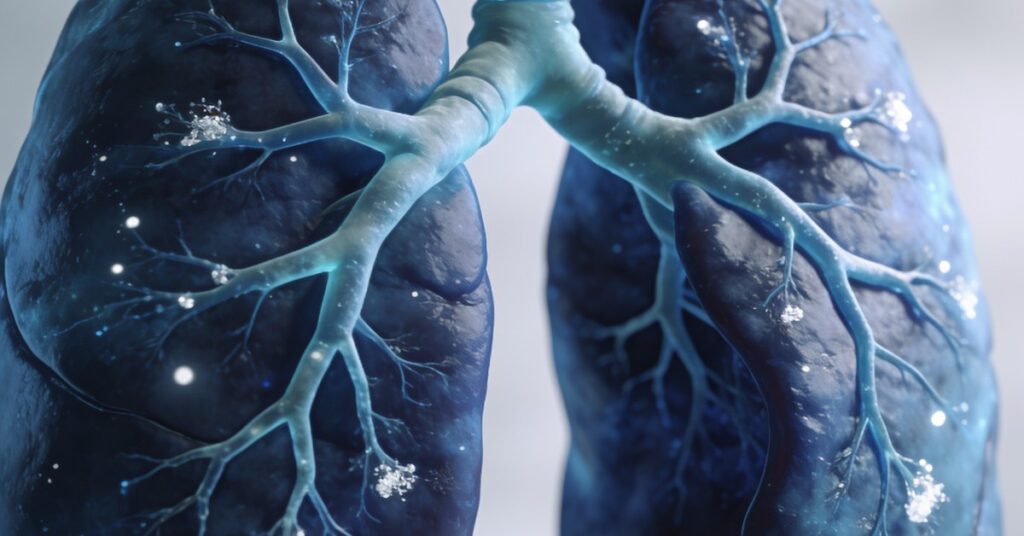
Navigating persistent respiratory symptoms can be an overwhelming experience, yet understanding the role of your respiratory system is essential for regaining control over your long-term health and daily well-being. In this guide, I will walk you through exactly what is a respiratory medicine entails, providing evidence-based insights into diagnostic procedures and how to confidently prepare for a specialist consultation. By demystifying these clinical processes, you will be better equipped to advocate for your own care and work effectively with your medical team.
Respiratory medicine is a specialised branch of healthcare dedicated to the diagnosis and management of the entire respiratory system, including the nose, throat, larynx, windpipe, lungs, and diaphragm. By integrating knowledge from fields such as oncology, infectious diseases, immunology, palliative care, and intensive care, respiratory consultants provide comprehensive support for patients suffering from both acute and chronic breathing disorders. When patients ask what is a respiratory medicine in a clinical sense, they are essentially inquiring about the gold standard of care for maintaining the vital mechanics of breathing.
What is a respiratory medicine
Defining the Specialty
Respiratory medicine, frequently referred to as pulmonology or chest medicine, is a clinical branch dedicated to the investigation, clinical management, and treatment of disorders associated with the respiratory system. This area of medical expertise covers the entire tract responsible for respiration, encompassing the nasal passages, pharynx, larynx, trachea, lungs, and the diaphragm muscle. Practitioners in this field address a broad spectrum of health challenges, ranging from sudden, acute respiratory distress to complex, long-term chronic conditions.
Conditions Commonly Managed
Specialists known as respiratory consultants or pulmonologists are responsible for the care of patients suffering from a variety of pulmonary diseases. Some of the most frequently treated conditions include:
- Asthma
- Chronic Obstructive Pulmonary Disease (COPD)
- Lung carcinoma
- Pneumonia
- Tuberculosis
- Cystic fibrosis
- Obstructive sleep apnoea
- Bronchiectasis
- Interstitial lung diseases
Diagnostic Procedures and Tools
To establish an accurate diagnosis and evaluate pulmonary function, medical professionals employ an array of sophisticated diagnostic techniques. These methodologies typically include:
- Spirometry and specialised exercise tests to measure lung capacity and efficiency.
- Diagnostic imaging via chest X-rays, CT, or PET scans.
- Sleep studies to monitor breathing patterns overnight.
- Bronchoscopy for direct visualisation of the airways.
Therapeutic Interventions
Management strategies are tailored to the specific needs of the patient. While pharmacological solutions and inhalers remain cornerstones of treatment, other interventions include:
- Continuous Positive Airway Pressure (CPAP) therapy for patients struggling with sleep-disordered breathing.
- Supplemental oxygen therapy.
- Modern interventional procedures, such as endobronchial ultrasound, or the strategic placement of pleural catheters.
- Structured pulmonary rehabilitation programmes, which involve supervised exercise training and tailored physical prescriptions.
Accessing Care
Individuals are usually directed to a respiratory consultant following a referral from a General Practitioner (GP). Such a referral is typically prompted by the presence of unexplained or persistent symptoms, such as chronic coughing, recurring wheezing, significant breathlessness, chest discomfort, or the discovery of atypical shadows on previous medical imaging.
Professional Resources and Standards
The practice of respiratory medicine in the United Kingdom is underpinned by robust professional organisations. The British Thoracic Society serves as the primary body for professionals in this field, providing essential clinical guidelines, hosting industry meetings, and offering valuable resources for patient education. Staying updated with the latest clinical advancements and maintaining high standards is integral to the role, often involving engagement with various reputable thoracic and lung associations to ensure patients receive the most current evidence-based care.
Conditions Managed by the Respiratory Medicine Specialty
Respiratory specialists, known as pulmonologists or respiratory consultants, treat a wide variety of conditions that affect the airway and lung function. Ever wondered if your persistent breathlessness is something that requires a specialist’s eye? Dealing with these symptoms can be frustrating, but keeping a simple symptom diary—noting when you cough or feel winded—helped me stay on top of things before my own consultation.
| Category | Examples |
|---|---|
| Chronic Conditions | Asthma, COPD, bronchiectasis |
| Serious Illnesses | Lung cancer, pneumonia, tuberculosis (TB) |
| Complex Disorders | Cystic fibrosis, IPF, pulmonary hypertension |
When to Seek Expert Advice for Respiratory Disease
You should consult a respiratory medicine specialist if you experience a persistent cough lasting longer than three to eight weeks, as this is a primary clinical indicator that warrants further investigation. Early intervention is the most effective way to manage potential lung issues before they progress into more severe or irreversible states. Understanding what is a respiratory medicine professional can do for you is the first step in addressing these lingering health concerns.
The Referral Process and Private Access
In the UK, the standard procedure is to consult your NHS GP, who will evaluate your symptoms and provide a formal referral to a respiratory consultant if necessary. If you are looking to prepare for your first visit, consider these steps:
- Request a formal referral from your GP.
- Gather your medical history and a list of current medications.
- Check if your private insurance covers networks like Spire Healthcare or Nuffield Health.
What to Expect During a Respiratory Medicine Consultation
A typical respiratory medicine consultation lasts between 30 and 45 minutes and involves a structured assessment of your physical health and lung function. During this time, the specialist gathers clinical data to determine the most appropriate diagnostic or treatment pathway for your specific respiratory profile.
Important: Always be honest about your smoking history and any occupational exposure to dust or chemicals, as these are critical factors for your consultant to consider. The examination usually follows a set routine:
- Physical monitoring of blood pressure and respiratory rate.
- Auscultation using a stethoscope to listen to lung and heart sounds.
- Oxygen saturation measurement via a simple finger clip.
- Imaging such as chest X-rays or CT scans if indicated.
Diagnostic Procedures and Lung Function Test Protocols
Diagnostic testing in respiratory medicine relies on Pulmonary Function Tests (PFTs), which are non-invasive assessments designed to evaluate your lung air intake, release, and oxygen transfer efficiency. These tests provide the objective data required to distinguish between various lung conditions and monitor the progression of disease over time.
Spirometry is the most common diagnostic tool, where you exhale into a device called a spirometer to measure the volume and speed of your breath. To ensure the accuracy of these readings, you will wear a soft nose clip to prevent nasal breathing, and your results will be compared against expected values based on your age, height, and sex. This systematic approach ensures that even minor changes in your airflow are detected early.
Personalised Treatment Plans for Chronic Lung Health
Treating chronic respiratory disease requires a tailored approach, often guided by evidence-based frameworks like the NICE guidelines for asthma or the GOLD guidelines for COPD. By creating a collaborative treatment plan, your consultant ensures that your medication and lifestyle adjustments are aligned with your unique physiological needs.
Remember: Consistency is key; following your prescribed medication schedule, whether it involves Maintenance and Reliever Therapy (MART) or daily bronchodilators, is the best way to prevent flare-ups. Effective management strategies often include:
- Personalised Asthma Action Plans (PAAP).
- Annual vaccinations (flu, pneumococcal, and COVID).
- Supplemental oxygen therapy if blood gas levels are low.
- Regular use of anti-inflammatory relievers (AIR).
Taking proactive steps to manage your respiratory health today secures better lung function for your future. Keep a detailed record of your symptoms to empower your specialist in creating the most effective, personalised care plan for you.
Frequently Asked Questions
Is respiratory medicine only for smokers?
No, respiratory medicine covers a vast range of conditions that affect non-smokers, including genetic disorders like cystic fibrosis and environmental sensitivities like asthma. Specialists are trained to diagnose and treat lung issues regardless of the patient’s lifestyle or smoking history.
Can I perform a lung function test at home?
While basic peak flow meters can be used at home to monitor asthma, professional diagnostic lung function tests must be conducted in a clinical setting with calibrated equipment. These clinical-grade devices ensure the precision required for accurate diagnosis and long-term monitoring by your consultant.
Do I need to fast before my respiratory consultation?
Generally, no fasting is required for a standard respiratory medicine consultation or basic lung function tests. However, always check with the specific clinic or hospital instructions provided, as some diagnostic procedures involving sedation or blood work may have specific fasting requirements.
How often should I have my lung function monitored?
The frequency of monitoring depends entirely on your specific diagnosis and the severity of your symptoms. Your consultant will establish a tailored review schedule to ensure your treatment remains effective and your lung health remains stable over time.