Understanding the link between High Blood Pressure and Vision is a critical step in proactive health management, as your eyes often serve as the first indicator of systemic cardiovascular strain. In this guide, you will find evidence-based insights into how Hypertension affects ocular health, what specific symptoms require immediate attention, and how you can effectively prepare for clinical consultations to protect your sight. We are here to provide the clarity and practical advice you need to navigate these health challenges with confidence and peace of mind.
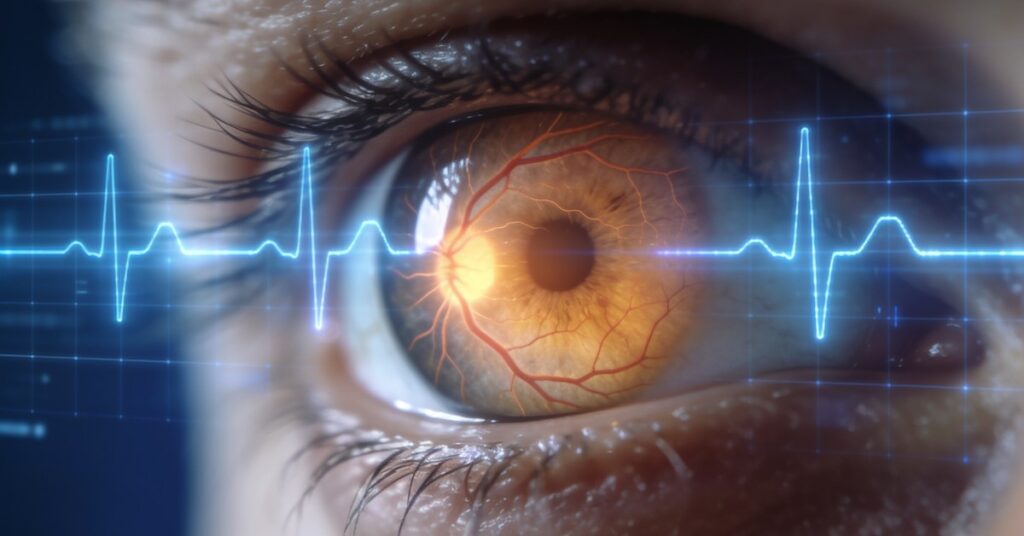
High blood pressure, or Hypertension, is a systemic condition that directly threatens vision by damaging the delicate network of blood vessels within the retina and restricting oxygen flow to the optic nerve. When systemic pressure remains uncontrolled, it creates a cascade of physiological changes—ranging from vessel narrowing and leakage to total arterial or venous blockages—that can permanently impair your ability to process images and maintain clear sight. Managing the relationship between High Blood Pressure and Vision is essential for preventing long-term complications that often develop silently until significant damage has already occurred.
Understanding the Mechanisms of Hypertensive Retinopathy and Eye Disease
Hypertensive retinopathy is the primary clinical condition caused by high blood pressure, where elevated force damages retinal blood vessels, while other complications like choroidopathy involve fluid buildup under the retina that leads to distorted vision or scarring. Optic neuropathy occurs when blocked blood flow starves the optic nerve of essential oxygen, effectively killing nerve cells and leading to permanent Vision Loss if left unmanaged.
Beyond direct retinal damage, high blood pressure significantly increases the risk of developing secondary Eye Disease such as glaucoma and macular degeneration. Ever wondered if your blood pressure could be the silent culprit behind your worsening eyesight? It is a common reality for many, as the following table illustrates the main ocular complications:
| Condition | Primary Mechanism | Impact on Sight |
|---|---|---|
| Retinopathy | Vessel damage/leakage | Blurred or dimmed vision |
| Choroidopathy | Fluid accumulation | Distorted or bent lines |
| Optic Neuropathy | Blocked blood flow | Patchy blur or total loss |
Recognising Symptoms of Hypertensive Retinopathy and Vision Problems
Signs of high blood pressure in the eyes often manifest as Blurred Vision or dimmed sight caused by narrowed, leaking, or swollen retinal blood vessels that struggle to maintain normal ocular function. You may notice double vision occurring alongside headaches, which is a common indicator of pressure being exerted on the specific nerves that control eye movement.
Leaking retinal vessels frequently cast shadows in your field of vision, which patients perceive as dark spots or persistent floaters. Dealing with these Vision Problems can be frustrating, but keeping a simple symptom diary helped me stay on top of things when communicating with my specialist. Use this checklist to monitor your own Eye Health:
- Frequent burst blood vessels on the white of the eye (hemorrhages).
- New or sudden appearance of floating spots in your vision.
- Straight lines appearing wavy or bent (often a sign of fluid buildup).
- A feeling like a „curtain” coming down over your field of vision.
Detecting High Blood Pressure Early Through Eye Tests
Early Detection of systemic hypertension is often achieved during routine Eye Tests, where an optician can identify physical markers such as the stiffening and hardening of retinal blood vessels. By monitoring the Pressure on the Eyes and the structural health of the retina, clinicians can identify signs of internal damage long before you experience noticeable symptoms.
Regular screenings are the only way to detect these structural changes before they manifest as symptomatic visual impairment, providing a critical window for intervention. My advice is to always keep a record of your medication schedule and blood pressure readings to provide your doctor with the most accurate data during these visits, as this is vital for effective Eye Care.
The Reality of Permanent Vision Loss Linked to High Blood Pressure
Uncontrolled high blood pressure can cause permanent Vision Loss because the delicate nerve fibres and retinal structures do not easily recover once the underlying blood vessels have been severely compromised. Hypertensive retinopathy can lead to internal bleeding in the eye or chronic fluid accumulation, both of which result in blurred or permanently lost vision as the tissue sustains damage.
The risk of permanent damage is compounded for individuals living with both diabetes and high blood pressure, as the combination places them at a significantly higher risk for severe retinal blood vessel damage. When retinal artery or vein occlusion occurs, the resulting vision loss is often sudden and painless, yet it can be irreversible if blood flow is not restored immediately. Because high blood pressure can trigger a stroke that damages the visual processing centres of the brain, the impact on your sight is often systemic rather than just local to the eye.
When to Seek Urgent Medical Attention
You must seek immediate emergency care if you experience sudden vision loss, the sudden onset of double vision, or severe eye pain accompanied by a headache, as these are critical indicators of hypertensive crisis. In the United Kingdom, call 999 for emergency care if your blood pressure readings reach 180/120 mmHg or higher, as this level of pressure poses an immediate threat to your organs, including your eyes.
Important: If you notice persistent blurry or distorted vision, do not wait for it to pass; book an urgent appointment with your GP or optician to rule out acute vascular damage. The American Heart Association last thoroughly reviewed the resource „How High Blood Pressure Can Lead to Vision Loss” on May 8, 2024, confirming that early detection and prompt medical intervention are the most effective strategies for preserving your long-term eye health.
- Monitor your blood pressure daily using a calibrated home device.
- Book an urgent optician appointment for any transient episodes of vision loss.
- Prepare a list of your current medications to show your GP.
- Request a dilated eye exam to check for vessel hardening.
Frequently Asked Questions
Can blood pressure medication cause dry eyes?
Some antihypertensive medications, such as diuretics, can occasionally contribute to feelings of dryness in the ocular surface. If you experience persistent discomfort, consult your GP to discuss potential adjustments to your treatment plan.
How often should I have my eyes checked if I have hypertension?
Patients with diagnosed high blood pressure should aim for a comprehensive dilated eye exam at least once a year. This frequency ensures that any subtle vascular changes are detected before they progress into more serious conditions.
Is there a link between stress and hypertensive eye damage?
Chronic stress can exacerbate high blood pressure, which indirectly increases the risk of damage to retinal vessels. Managing stress through lifestyle changes and prescribed medication is a key component of protecting your overall vision.
Does high blood pressure cause cataracts?
While high blood pressure is not a direct cause of cataracts, the systemic vascular damage it creates can complicate overall ocular health. Maintaining stable blood pressure is essential for preserving the general health of all eye structures, including the lens.
By prioritising consistent blood pressure management and regular eye screenings, you can effectively protect your sight from the silent, progressive damage caused by hypertension.