
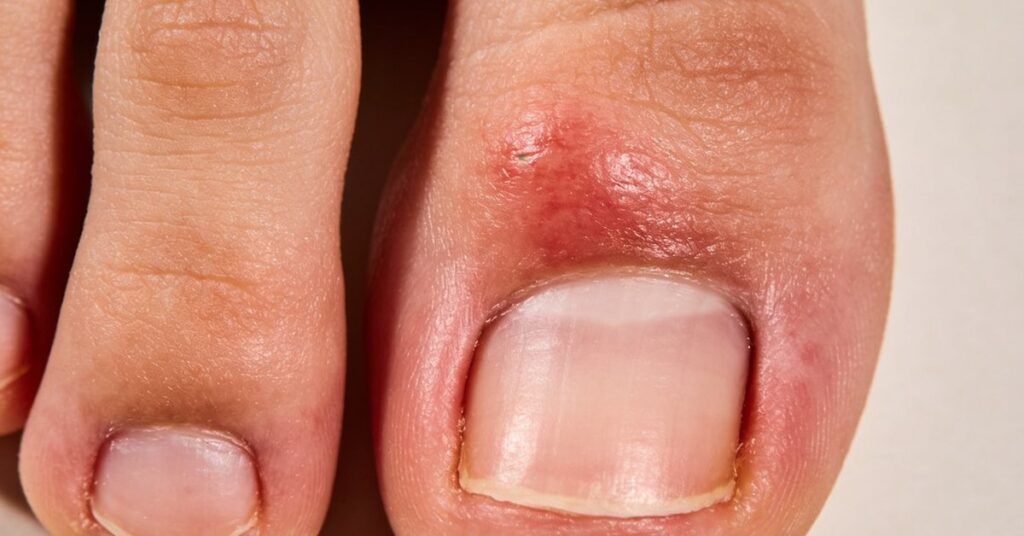
Recognising the early Gout Symptoms NHS guidelines highlight is a critical step in managing your joint health and preventing the long-term damage associated with this painful condition. In this guide, you will learn how to identify the clinical signs of a flare-up, distinguish gout from other joint issues, and understand exactly when to seek professional medical advice to ensure you receive the correct treatment. By equipping yourself with this evidence-based knowledge, you can take control of your symptoms and move forward with confidence in your recovery journey.
Gout is a form of inflammatory arthritis caused by the accumulation of urate crystals in the joints, typically manifesting as sudden, intense pain, swelling, and redness in the affected area, most commonly the big toe. It is a condition that requires prompt identification to manage pain effectively and prevent potential complications, and while it is often distressing, understanding the underlying symptoms allows for more proactive health management.
Gout symptoms NHS
Understanding Gout Flare-ups
According to the National Health Service, gout symptoms frequently manifest abruptly as intense flare-ups, typically persisting for a duration of one to two weeks. These sudden episodes are characterised by significant physical discomfort.
Primary Indicators of Gout
The most prominent signs associated with a gout attack include:
- Acute, severe pain localised in a specific joint, most commonly the big toe, though it may also impact feet, ankles, knees, wrists, hands, or elbows.
- Physical inflammation of the affected area, where the skin becomes visibly swollen, flushed, hot to the touch, and extremely tender. Please note that redness might be less noticeable on darker skin tones.
- Extreme sensitivity, where even the light pressure of bed linen can induce significant pain.
Characteristics of a Gout Attack
Gout generally presents as episodic attacks rather than constant pain. These episodes usually escalate rapidly, often developing over the course of just a few hours.
Managing Flare-ups at Home
If you are currently experiencing a flare-up, consider the following self-care steps to aid recovery:
- Prioritise rest and elevate the affected limb to reduce pressure.
- Apply an ice pack, securely wrapped in a towel, to the inflamed joint for approximately 20 minutes to manage heat and swelling.
- Maintain adequate hydration by drinking plenty of water.
When to Seek Urgent Medical Attention
It is vital to consult a GP urgently or contact 111 if your joint pain and swelling are accompanied by any of the following:
- A high temperature or fever.
- Feelings of nausea or an inability to eat.
- Noticeable worsening of the pain despite home treatment.
Identifying Early Symptoms of Gout and the Big Toe Connection
The earliest signs of a gout flare-up often start with subtle sensations such as mild tingling, warmth, or a feeling of stiffness in a joint, occurring a day or two before the full intensity of an attack develops. As the flare progresses, patients typically experience sudden, severe pain that frequently begins at night, with the intensity peaking within 12 to 24 hours. The affected joint will often appear red, hot, and shiny, accompanied by significant tenderness and swelling that makes even light contact, such as a bedsheet, extremely painful.
While the big toe is the most classic site for an attack, gout is not limited to this single point of interest and can affect various other parts of the body. You should remain vigilant if you experience sudden discomfort in these common areas, as identifying these specific Gout Symptoms NHS sources describe is essential for timely assessment:
- Big toe
- Feet and ankles
- Knees
- Fingers, wrists, and elbows
Understanding the Duration of a Gout Attack and Treatment for Gout
Gout flare-ups are temporary episodes of inflammation that typically last between 3 to 10 days when managed correctly. If left entirely untreated, an acute Gout Attack will generally persist for 1 to 2 weeks, and in some cases, the pain and inflammation may continue for up to 14 days before the body begins to resolve the crystal-induced irritation. Quick intervention is therefore the most effective way to shorten this timeframe, as appropriate Treatment for Gout can cause symptoms to subside within just a few days.
How to Diagnose Gout and Distinguish it from Other Joint Pain
Differentiating gout from other forms of joint pain relies on observing the speed of onset and the characteristics of the inflammation, as detailed in the comparison table below.
| Condition | Onset Speed | Key Differentiator |
| Gout | Sudden (hours) | Red, hot, shiny skin |
| Osteoarthritis | Gradual (years) | Worsens over time |
| Rheumatoid Arthritis | Variable | Stiffness lasts >30 mins |
| Septic Arthritis | Rapid | Fever, nausea, malaise |
To remove any doubt, a joint fluid analysis is the definitive diagnostic tool used by healthcare professionals to confirm the presence of urate crystals, providing the clinical certainty needed to tailor your Diagnosis of Gout accurately. Pseudogout is another condition that can mimic these symptoms, though it is clinically distinct because it rarely affects individuals under 60 years of age.
When to Consult a GP regarding Gout Symptoms NHS
You should book an appointment with your GP if you are experiencing symptoms of gout for the first time or if you have a pre-existing diagnosis and your current management plan is no longer providing relief. A GP can review your medication and lifestyle strategies to help prevent gout from recurring or reaching a chronic stage, ensuring that your long-term health remains a priority.
Urgent Warning Signs and Help Prevent Gout Complications
Contact NHS 111 or seek an urgent GP appointment if you experience sudden, escalating joint pain and swelling that becomes progressively worse. Important: Seek urgent medical help if your joint pain is accompanied by a high temperature of 38C (100.4F) or above, or if you feel hot, cold, or shivery, as these may be signs of a more serious infection.
- Do not ignore systemic symptoms like fever or nausea.
- Check if you are unable to eat or drink normally.
- Contact NHS 111 immediately if you suspect septic arthritis.
Long-term Complications of Gout and Chronic Gout Management
The primary risk of leaving gout unmanaged is the development of Chronic Gout, which can lead to permanent joint deformity, lasting joint damage, and significant long-term disability. Chronic inflammation can also result in the formation of tophi, which are firm, visible lumps of urate crystals that accumulate under the skin. If these tophi break through the surface, they can leak and lead to secondary skin infections, further complicating your recovery and overall health.
Beyond the joints, the metabolic nature of the condition means that untreated Complications of Gout can have systemic consequences on your renal health. There is a well-documented link between chronic gout and the development of kidney stones, which can progress to chronic kidney disease or, in severe, prolonged cases, even kidney failure. Following the standard Gout Symptoms NHS advice regarding annual check-ups and urate-lowering therapy is the most practical way to Help Prevent Gout from damaging your kidney and joint function.
Frequently Asked Questions
Can diet trigger a gout flare-up?
Yes, certain foods high in purines, such as red meat, organ meats, and some seafood, can increase uric acid levels and trigger a flare-up. Reducing these in your diet while increasing water intake can be a beneficial part of your overall management plan.
Are there specific medications I should avoid if I have gout?
Some medications, such as certain diuretics used to treat high blood pressure, can increase uric acid levels in the blood. Always discuss your full medication list with your GP to ensure your treatments are compatible with your gout management.
Does NHS Inform provide resources for self-management?
Yes, NHS Inform offers reliable, evidence-based digital resources that provide guidance on lifestyle adjustments and symptom tracking. Consulting these official portals is an excellent way to supplement the advice you receive during your clinical appointments.
Is it possible to have gout without pain in the big toe?
Yes, while the big toe is the most common site, gout can affect any joint in the body, including the ankles, knees, wrists, and elbows. If you experience sudden, intense pain and swelling in any joint, it is worth consulting a medical professional for an accurate assessment.
Early clinical assessment is your most effective tool for shortening the duration of an attack and preventing long-term joint damage. Please remember that staying vigilant for systemic warning signs is the best way to protect your health and recover with confidence.