Managing an Aortoiliac Aneurysm is a critical aspect of your long-term cardiovascular health, and understanding the condition is the first step towards regaining a sense of control and security. In this article, you will find evidence-based information on identifying symptoms, understanding diagnostic pathways, and implementing practical lifestyle strategies to manage your condition effectively. We are here to guide you through what to expect, how to prepare for clinical follow-ups, and how to make informed decisions for your well-being.
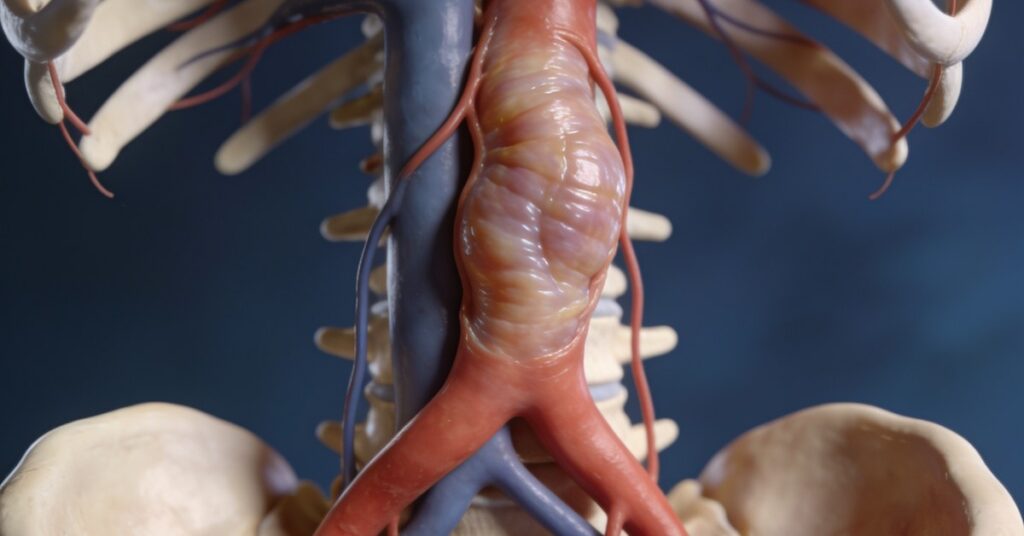
An Aortoiliac Aneurysm is a specific type of Abdominal Aortic Aneurysm (AAA) that occurs when the structural weakness of the aorta extends into at least one of the common iliac arteries, which are the major blood vessels supplying the lower body. This condition is essentially a localised dilation of the arterial wall that requires careful monitoring because, if left unmanaged, the vessel can weaken to the point of rupture, creating a life-threatening medical emergency. Recognizing this condition early is vital for preventing severe complications and ensuring that you receive the appropriate level of clinical care, ranging from routine surveillance to elective surgical intervention.
Understanding Aortoiliac Aneurysm Definition and Every Risk Factor
The primary Risk Factor for developing an Aortoiliac Aneurysm includes a combination of genetic predispositions, age, biological sex, and chronic lifestyle-related health conditions. Men are statistically at a much higher risk than women, and this susceptibility increases significantly once an individual passes the age of 65. If you fall into this demographic, maintaining a proactive relationship with your healthcare provider is essential for early detection.
Beyond demographics, your medical history plays a pivotal role in the progression of arterial wall weakening. The following table highlights the key contributors you should discuss with your GP:
| Risk Factor Category | Specific Condition/Factor |
|---|---|
| Medical History | Atherosclerosis, Hypertension |
| Genetic Factors | Marfan syndrome, Ehlers-Danlos syndrome |
| Metabolic | Hyperhomocysteinaemia |
| Lifestyle | Active smoking |
Recognising Aortoiliac Aneurysm Symptoms and Warning Signs
Recognising the physical signs of an Aortoiliac Aneurysm often begins with noticing unusual sensations in your midsection or lower body, which serve as crucial indicators that you should consult your doctor. Many patients first become aware of the condition through a palpable, pulsating abdominal mass or a distinct throbbing sensation near the navel. Ever wondered if that „thump” you feel in your belly is just digestion or something more? It is always better to have a professional check it out.
Common Clinical Presentations
You should pay close attention to your lower extremities, as the involvement of the iliac arteries can lead to symptoms of Ischemia, or reduced blood flow. These manifestations include intermittent claudication (pain while walking), persistent numbness, tingling sensations, or feet that feel consistently cold or appear unusually pale. In some cases, bits of plaque or debris from the aneurysm can travel further down the arterial tree, resulting in a blue or black, painful toe, a condition known as distal embolisation that requires immediate medical attention.
Signs of an Emergency Rupture
A rupture is a critical medical event characterised by sudden, severe, sharp, or tearing pain in the abdomen, back, groin, or scrotum that demands an immediate call to 999. As the vessel wall fails, you may exhibit rapid signs of shock, including a sudden, dangerous drop in blood pressure, dizziness, fainting, and a pulse that feels both rapid and weak. Physical distress may also present as nausea, vomiting, shortness of breath, and skin that feels cold and clammy to the touch.
Diagnostic Procedures for Abdominal Aortic Aneurysm and Aortoiliac Aneurysm
Clinicians classify an Aortoiliac Aneurysm based on its diameter to determine the urgency of treatment, starting with small aneurysms (3cm to 4.4cm), moving to medium (4.5cm to 5.4cm), and categorising those 5.5cm or bigger as large. This size-based classification is the cornerstone of your treatment plan, as it dictates whether the medical team will recommend a „watch and wait” approach or active surgical intervention.
The diagnostic process relies on precise imaging and physical assessment to confirm the presence and extent of the dilation. To ensure you are fully prepared for your consultation, consider asking your specialist the following questions:
- What is the exact current diameter of the aneurysm?
- How frequently will I need follow-up imaging?
- Are there specific exercises I should avoid to prevent strain?
- What blood pressure targets should I aim for daily?
Treatment Options for Aortoiliac Aneurysm Repair
The Treatment Options for an Aortoiliac Aneurysm are tailored to the specific size of the vessel and the patient’s individual health profile, with surgery being the standard recommendation for large aneurysms. If your aneurysm is small, the medical team will likely manage it through healthy lifestyle changes and regular monitoring to ensure it does not reach a size where the risk of rupture becomes unmanageable.
When surgical repair is required, the procedure involves removing the weakened, damaged part of the aorta and replacing it with a durable synthetic graft that restores normal blood flow. Dealing with the prospect of surgery can be daunting, but I’ve found that keeping a simple symptom diary helps provide your surgeon with the exact data they need to make the best decision for your recovery. Remember: Full rehabilitation from an open procedure may take a month or more, and patients must be aware of potential risks such as post-operative bleeding, blood clots, or localized ischemic events.
Managing Aortoiliac Aneurysm Rupture Risks and Long-Term Surveillance
The risk of a catastrophic rupture increases significantly once an Aortoiliac Aneurysm reaches a diameter of 5.0 cm, making diligent surveillance and risk factor management the most effective way to protect your health. Key factors influencing your rupture risk include the specific diameter of the vessel, the percentage of Myocardial Tissue Viability (MTV), your ability to maintain strict blood pressure control, and whether or not you continue to smoke. Furthermore, any aneurysm that produces pain or tenderness on manual palpation is considered to be at an increased risk for rupture and requires an urgent re-evaluation by your vascular team.
Ongoing Clinical Follow-up
Consistent medical observation is the backbone of living safely with an aneurysm, with small aneurysms requiring an ultrasound or CT scan surveillance every 6 to 12 months. If you have undergone surgery, you will enter a structured follow-up schedule involving imaging at 1 month, 6 months, 1 year, and annually thereafter to ensure the graft remains stable and the surrounding arteries remain healthy.
Lifestyle Adjustments for Better Outcomes
Managing your health at home involves specific, actionable steps to reduce strain on your arterial walls. Follow these steps to improve your cardiovascular resilience:
- Smoking Cessation: Reach out to 1-800-QUIT-NOW; it is the single most effective way to stop aneurysm growth.
- Dietary Control: Keep your daily sodium intake strictly below 2,300 milligrams.
- Alcohol Moderation: Limit your intake to 1–2 drinks per day at most.
- Physical Activity: Aim for 30 minutes of brisk walking or biking on most days.
- Weight Management: Work with your GP to maintain a target BMI of less than 30.
Frequently Asked Questions
Is a Thoracic Aortic Aneurysm the same as an Aortoiliac Aneurysm?
No, these are distinct conditions located in different parts of the body. A Thoracic Aortic Aneurysm affects the chest area, whereas an Aortoiliac Aneurysm involves the abdominal aorta and the iliac arteries.
How does smoking affect the growth of an Aortoiliac Aneurysm?
Smoking introduces chemicals that directly degrade the elastin in your arterial walls, causing them to weaken and dilate faster. Quitting smoking is the most significant lifestyle intervention to slow the expansion of an Aortoiliac Aneurysm.
Are there medications to shrink an Aortoiliac Aneurysm?
Currently, there is no medication that can reverse or shrink an existing aneurysm. Medical management focuses on controlling blood pressure and cholesterol to reduce the stress on the arterial wall, preventing further growth.
What should I do if I am diagnosed with a small Aortoiliac Aneurysm?
You will typically be placed on a surveillance programme involving regular ultrasounds or CT scans to monitor the size of the vessel. During this time, it is vital to keep your blood pressure stable and avoid strenuous activities that might spike your heart rate.
Your commitment to regular surveillance and strict blood pressure control is the most effective way to safeguard your health and prevent life-threatening complications. Always keep your follow-up appointments and trust your instincts by seeking immediate emergency care if you experience any sudden or severe abdominal pain.