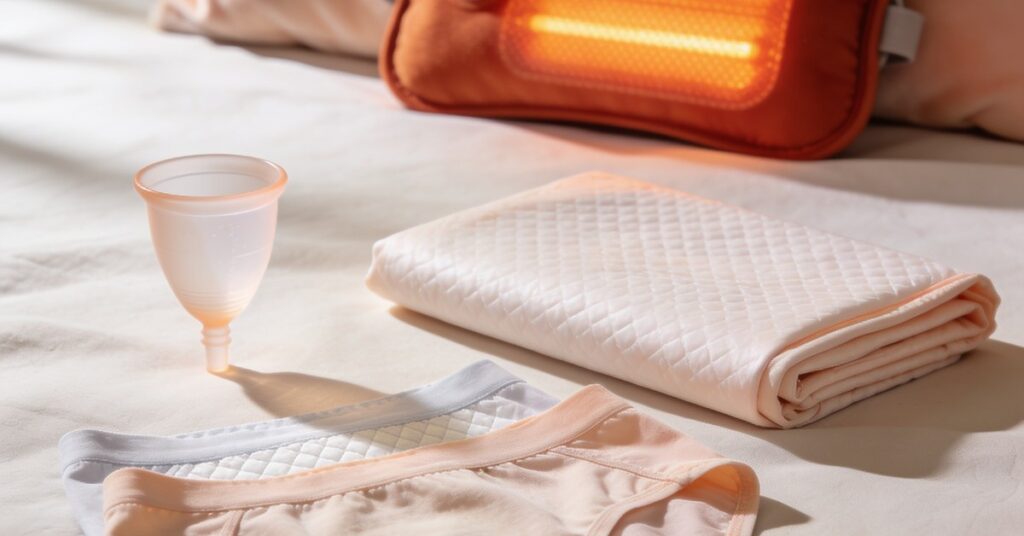
Managing menstrual hygiene overnight is a significant aspect of maintaining your overall well-being and ensuring restorative sleep during your cycle. In this guide, I will provide evidence-based strategies to help you navigate heavy flow nights with confidence, offering practical techniques to protect your bedding and secure your menstrual products effectively. By implementing these professional tips, you can transform your nighttime routine and eliminate the stress associated with period leaks, which is essential to improve your sleep quality during your cycle.
How to sleep during periods to avoid stains
Managing your menstrual cycle while trying to get a peaceful night’s rest can be challenging, particularly when worrying about potential leakage. By making a few strategic adjustments to your bedding, choice of products, and sleeping posture, you can significantly enhance your comfort and maintain a clean sleeping environment.
Understanding night-time leakage
Leaks frequently occur during the night because, as you lie horizontally, the flow of blood is redirected. This gravity-related shift can often cause fluids to migrate towards the back of your underwear before they are fully absorbed by standard sanitary products.
1. Strengthen your bedding defences
Creating a protective barrier for your mattress is the first line of defence against stains.
- Mattress Protector: Secure a soft, waterproof mattress cover to prevent any fluids from reaching your mattress fabric.
- Absorbent layers: Place an old towel, a disposable puppy training pad, or a washable crib mat across the area where you sleep to provide an additional layer of protection.
2. Selecting the right period products
Optimising your choice of supplies is essential for heavy flow nights.
- Extended-wear pads: Select overnight pads that are specifically designed with a longer and wider profile for increased coverage. Position the pad slightly further back than you habitually do during daytime use to account for the angle at which you are lying.
- Combined methods: Enhance your security by wearing a tampon or a menstrual cup alongside a pad. Alternatively, use a high-absorbency pad inside a pair of dedicated period pants to provide a failsafe.
3. Choosing appropriate sleepwear
The type of clothing you sleep in plays a crucial role in keeping your protection in place.
- Snug-fitting garments: Wear compression-style underwear or fitted period pants to ensure that your pad stays flush against your body, preventing it from moving when you shift in your sleep.
- Additional layers: Consider wearing tight-fitting cycling shorts over your underwear, or opt for pyjama bottoms made from thick, dark-coloured cotton to provide a final protective barrier.
4. Optimising your sleeping position
Your posture throughout the night can either prevent or encourage leakage.
- The fetal position: Sleeping on your side with your knees gently tucked towards your chest is highly regarded. This position helps to keep period products securely positioned and can also alleviate abdominal discomfort. Placing a pillow between your knees may offer further support.
- Avoid front-sleeping: Lying on your stomach can exert unnecessary pressure on your abdomen, which may accelerate the flow of fluids.
5. Your morning routine
How you transition from sleep to wakefulness is just as important as how you sleep.
When you wake, try to avoid rolling around or remaining in a horizontal position for too long. Instead, gently sit up and make your way out of bed steadily. This helps to prevent any pooled blood from shifting backwards and causing a leak.
Managing accidental stains
Should the unexpected occur, address the stain promptly. Blot the area using cold water and apply a specialist stain remover, or mix a simple paste of baking soda and water to spot-clean the fabric. Using white vinegar on a fresh stain before it dries can also be highly effective in neutralising and lifting the mark.
The Most Effective Way to Stop Period Leaks and Prevent Night Time Period Leakage
The most effective strategy to stop period leaks at night is to combine a high-capacity internal menstrual product, such as a menstrual cup or high-absorbency tampon, with a reliable external barrier like an extra-long overnight pad or leakproof period underwear. Understanding how to sleep during periods to avoid stains involves recognising that a dual-layer approach provides a redundant safety system that accounts for the inevitable movement that occurs during sleep, ensuring that any breakthrough flow is captured before it can cause blood stains on your bedclothes or mattress. I have seen many patients struggle with unnecessary anxiety, yet the primary solution remains simple: layer your protection to account for gravity and body movement. By treating your sleep environment as a clinical space that requires preparation, you effectively mitigate the common risk of leakage associated with nocturnal blood flow. Remember, even if leaks happen, being prepared with a mattress protector ensures your furniture remains pristine while you work to stop period disruptions.
Optimising Best Sleeping Positions to Avoid Period Leaks at Night
Sleeping in the fetal position, which involves lying on your side with your knees pulled gently toward your chest, is the most reliable sleeping position to avoid period leaks as it keeps your chosen menstrual product firmly aligned with your anatomy. Ever wondered if a simple shift in posture could save your sheets when you learn how to sleep during periods to avoid stains? Proper alignment is the foundation of a leak-free night, as it prevents the product from shifting out of place during natural sleep cycles. My professional recommendation is to use supportive tools to maintain this position throughout the night, which will help you sleep soundly and enjoy a good night’s sleep.
- Side-sleeping: Use a body pillow between your knees to keep your pelvis neutral and stable, which is one of the best sleeping positions to prevent the pad from shifting as much.
- Back-sleeping: Place a supportive pillow under your knees to prevent shifting and maintain pelvic tilt, ensuring you maintain a comfortable sleep.
- Avoid: Lying flat on your stomach, as this compresses the pelvic area and encourages period leakage by forcing fluid toward the edges of the absorbent material, which can cause leakage.
Selecting the Right Menstrual Product for Comfortable Sleep
Choosing the correct menstrual product is a matter of matching your specific flow intensity to the absorbent capacity of the product, with overnight pad options being recommended for an exceptionally heavy period during the first three days of your cycle. While disposable overnight pads with wings offer a convenient and highly effective option for travel, period panties are specifically engineered to prevent the shifting or bunching that often leads to leaks when you toss and turn. Use the following table to help you decide which protection suits your specific volume and comfort needs during your rest to ensure you get the best protection.
| Product Type | Best For | Max Wear Time |
|---|---|---|
| Overnight Pads | Exceptionally heavy flows (Days 1-3) | Change upon waking |
| Period Pants | Light-to-medium flows | Up to 12 hours |
| Tampons | Internal security | Maximum 8 hours |
Recommended Period Pants and Styles to Avoid Staining
Investing in high-quality, leakproof period underwear can provide the structural support necessary to prevent period leaks. From my experience, having a dedicated pair of period sleepwear shorts saves a lot of unnecessary laundry stress during the first few days of the cycle, and it is a vital part of knowing how to sleep during periods to avoid stains effectively. When you choose the right period pants, you are investing in a good night’s sleep that helps you wake up feeling refreshed rather than worried about blood leaking.
- WUKA Ultimate High Waist: Holds up to 60 ml of fluid, ideal for those with a very heavy period who need extra security.
- Modibodi Sensual Hi-Waist: Holds up to 40 ml of fluid, offering a balance between coverage and comfort for a nighttime period.
- Boody Full Brief: Made with breathable bamboo viscose, which is excellent for temperature regulation and preventing period cramps.
- Budget-friendly: Cheeky Period Sleep Shorts (£13.49) or Nixi Carla (£23) provide reliable entry-level options for those who want to stop period leaking at night.
- THINX Ultra Soft Sleep Shorts: Highly recommended for those who prefer extra coverage and a secure fit while sleeping, ensuring you won’t leak during your period.
Protecting Bedding and Managing Mattress Hygiene to Prevent Leaks
You can effectively protect your mattress from permanent blood stains by using a layered approach that creates a waterproof barrier between your body and the bed. Follow these steps to set up your sleep station for maximum protection, as this creates a fail-safe environment that allows you to rest without the constant fear of damaging your mattress:
- Fit a waterproof mattress protector directly over the mattress to stop any period blood from penetrating the fabric.
- Place your first bedsheet over the protector to provide a comfortable surface for your regular sleep.
- Add a second waterproof protector on top of that sheet to create a secondary barrier against period leakage.
- Layer a final bedsheet on top for a quick, „emergency” change should a leak reach the surface, which is a clever way to help avoid period leaks.
If a stain occurs, you need to know how to remove blood efficiently. Submerge the stained sheets in cold water for at least five minutes; never use hot water, as it can set the protein-based menstrual blood permanently into the fibres of the fabric.
Proactive Tips for Heavy Blood Flow and Period Pain
Managing heavy flow nights requires careful preparation, starting with the simple act of changing your menstrual product immediately before going to bed to ensure your product has full capacity available. You can construct an upside-down „T” shape configuration using two pads in your underwear to provide extended surface area across the crotch and the back of your underwear. Additionally, keeping your bedroom temperature between 16°C and 19°C helps with sleep quality, while a heating pad on your lower abdomen can relieve period cramps and period pain that might otherwise keep you awake during your nighttime period.
How to Prevent Leaks While Tossing and Turning
To prevent leaks while you move during the night, you should always use overnight pad options equipped with wings and consider wearing close-fitting, leakproof period underwear to ensure the product remains in direct contact with your body at all times. If you are a restless sleeper, laying down a dark-coloured towel or an additional mattress protector can provide an extra layer of security.
Remember: Always rise slowly when getting out of bed in the morning to allow your body to adjust, which helps prevent the sudden gravitational shift of menstrual blood that often leads to last-minute leaks. While leaking can happen, using the right tips on how to sleep will help you guarantee you won’t leak and allow you to sleep during your period with total confidence.
Frequently Asked Questions
Can I use two pads at once for extra security?
Yes, using an upside-down „T” configuration with two pads can provide significantly more coverage for those who experience leaks at the back or front of their underwear. Ensure the adhesive is secure and that the pads do not overlap in a way that causes discomfort or bunching, as this is a great way to help prevent leaks.
What should I do if I wake up with a leak despite precautions?
If you experience a leak, treat the fabric immediately by rinsing it in cold water to prevent the period blood from setting into the weave. You may then use a mild enzyme-based detergent to spot-clean the area before washing the garment as usual, as this is the best way to remove blood stains.
Are there non-medical ways to manage period cramps at night?
Managing period pain is often helped by maintaining a moderate bedroom temperature and using a warm water bottle or heating pad on the lower abdomen. Gentle stretching or a warm bath before bed can also help relax the pelvic muscles and improve overall sleep quality, which is vital when you want to get rid of period discomfort.
How do I choose between a menstrual cup and a tampon?
A menstrual cup generally offers a higher fluid capacity and can be worn for longer than a standard tampon, making it a popular choice for overnight use. However, the choice is entirely personal, so you should select the product that you find most comfortable and easiest to insert correctly to avoid period disruptions.
Combining a high-capacity internal product with a reliable external barrier remains the most effective technique for preventing leaks during the night. By layering your bedding and securing your protection, you can rest easy knowing you have taken the necessary steps to safeguard both your comfort and your peace of mind.