Understanding why your body composition fluctuates during your menstrual cycle is a vital aspect of managing your long-term health and emotional well-being. In this article, I will explain the physiological mechanisms behind period-related water retention, provide clear expectations for what is considered normal, and offer evidence-based strategies to help you feel more comfortable throughout your cycle. By demystifying these hormonal shifts, you will gain the knowledge needed to track your health accurately and effectively manage temporary symptoms.
Do you gain weight on your period?
Understanding Menstrual Weight Fluctuations
It is entirely natural to experience a temporary increase in scale weight ranging from one to five pounds while you are menstruating. This shifting number on the scale is rarely reflective of true fat gain; instead, it is often classified as „phantom weight.” This phenomenon is primarily driven by hormonal fluctuations, changes in your digestive speed, and fluid retention. Typically, your weight will stabilise a few days after your period concludes.
Common Causes for Period Weight Gain
The primary contributors to these temporary changes include:
- Water Retention: Significant hormonal shifts, specifically the rise in progesterone levels during the luteal phase—which occurs the week prior to your period—cause the body to store extra fluid.
- Dietary Habits and Cravings: When serotonin levels drop, you may find yourself craving sugary or salty comfort foods. Consuming excess sodium often exacerbates water retention.
- Slowed Digestion: Digestion naturally decelerates during your cycle, which may result in carrying a slightly higher volume of food within your digestive tract.
Strategies to Manage Bloating and Fluid Retention
You can mitigate the discomfort caused by bloating and excess fluid by employing a few simple lifestyle adjustments:
- Increase Hydration: Even though it may seem contradictory, drinking plenty of water encourages your kidneys to expel surplus sodium and shed retained water.
- Limit Salt and Caffeine Intake: Try to restrict your consumption of processed, salty snacks and caffeinated drinks in the days approaching your period.
- Maintain Physical Activity: Engaging in light to moderate exercise can help lower inflammation and assist your body in naturally flushing out excess salt.
Reflecting on Body Expectations
Experiencing these monthly shifts can be an excellent opportunity to cultivate a more balanced relationship with your body. It is helpful to remember that weight fluctuations are a standard part of the menstrual cycle and are almost always temporary. Whether you are dealing with decreased magnesium levels or the effects of progesterone and estrogen, acknowledging that this process is biological can help reduce any anxiety surrounding your weight.
Summary of Frequently Asked Questions
- Is it normal for weight to fluctuate before menstruation? Yes, the hormonal interplay between oestrogen and progesterone during the luteal phase frequently causes these changes.
- Is this gain permanent? No. It is almost exclusively water weight and typically dissipates shortly after your period begins.
The Direct Answer: Do U Gain Weight on Your Period?
Many individuals often ask, „Do U Gain Weight on Your Period?” and the answer is that while you may see a temporary increase on the scale, this is almost exclusively due to fluid retention rather than an actual gain in body fat. Most people who menstruate will observe a transient weight fluctuation of approximately 1 to 5 pounds (0.5 to 2.3 kg) during this time. Because this shift is driven by specific hormonal activity, it is a predictable physiological process rather than a reflection of your long-term dietary habits or physical activity levels.
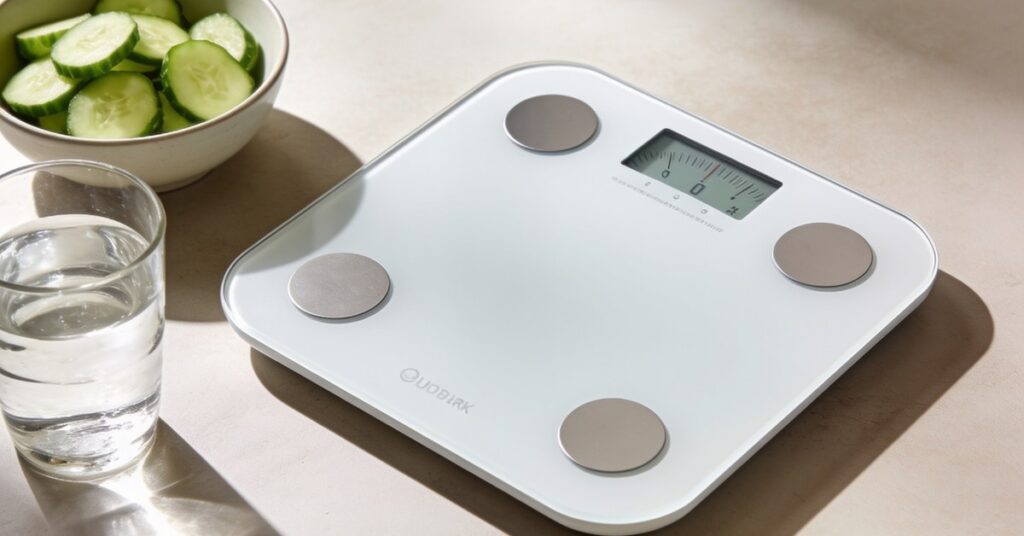
When you notice that scale number creeping up, it is easy to feel discouraged, but I always remind my readers that this is merely a shift in your body’s internal fluid balance. In my years of health advocacy, I have seen how this specific fluctuation causes unnecessary anxiety for many. By understanding that the question „Do U Gain Weight on Your Period?” refers to water retention, you can stop viewing it as a failure of your fitness routine and start seeing it as a standard biological response to your cycle’s natural rhythm. This knowledge is your most effective tool in maintaining a balanced perspective on your health journey, allowing you to focus on how you feel rather than focusing on temporary, non-permanent numbers on a digital display.
Why Hormonal Shifts Cause Weight Gain and Period Bloating
Water retention during the menstrual cycle is primarily caused by rapid changes in circulating hormones, specifically progesterone, oestrogen, and prolactin. In the days leading up to menstruation, these hormonal levels fluctuate significantly, signalling the body to maintain higher levels of fluid and salt in the tissues. This retention is most frequently observed in the abdomen, breasts, and extremities, creating a sensation of bloating and heaviness that coincides with the late luteal phase of the cycle.
Beyond fluid balance, these hormonal shifts influence your digestive system and mood, further contributing to the feeling that weight gain happens. Higher levels of progesterone can slow down the motility of the digestive tract, leading to increased bloating and feelings of fullness. Simultaneously, drops in serotonin levels often trigger intense cravings for high-carb, sugary, and salty foods. Dealing with these cravings can be frustrating, but keeping a simple symptom diary helped many of my readers stay on top of their patterns and avoid unnecessary panic when the scale numbers tick upward.
Quantifying the Amount of Weight Gain and Menstrual Fluctuation
The average weight gain experienced during the period is typically between 1 and 5 pounds (0.5 to 2.3 kg), with research suggesting that 92% of menstruating individuals experience some degree of water retention during the luteal phase. I have put together a quick reference table below to help you understand how these fluctuations compare to standard expectations for those wondering if they weigh more on your period and how much is considered typical.
| Measurement Type | Range (lbs) | Range (kg) |
|---|---|---|
| Typical Average | 1 – 5 lbs | 0.5 – 2.3 kg |
| Normal Range | 2 – 6 lbs | 0.9 – 2.7 kg |
| Individual Peaks | 5 – 8 lbs | 2.3 – 3.6 kg |
When we look at the data, it becomes clear that while the average gain is often cited as 1 pound, the biological reality for many is a wider range. This is why you should never compare your personal cycle to a rigid, single-number expectation. Your body is a complex system, and a fluctuation of 2 to 6 pounds is entirely within the realm of normal, healthy function. Many of my clients find peace of mind once they realise that these numbers are not indicative of fat gain, but are simply a temporary state of the body holding onto fluids.
The Temporary Nature of Weight Gain During the Period
Period-related weight gain is not permanent and is physiologically distinct from the accumulation of adipose tissue. Because the weight increase is caused by the body holding onto extra fluid and sodium—and exacerbated by the inflammatory effects of prostaglandins on the abdomen—it naturally drops off once the hormonal cycle moves into the follicular phase. A 2023 study confirmed that these shifts are transient, driven by the body’s internal chemistry rather than actual changes in body fat percentage, ensuring that your weight returns to its baseline shortly after the hormonal environment resets.
The Timeline of Menstrual Weight Gain Happens
Weight fluctuations typically begin to manifest 5 to 7 days before the onset of bleeding, as the body prepares for the start of the next cycle. You can expect this temporary weight to begin resolving 2 to 3 days after your period starts, as the body sheds the retained fluids. Most individuals find that their weight fully normalises within one week after menstruation begins, though some may find the process takes 3 to 5 days following the final day of the period to reach their true baseline.
Practical Strategies to Help Reduce Period Weight Gain
You can effectively manage the discomfort of period-related bloating by staying hydrated and making targeted adjustments to your daily intake. The key is consistency in your habits during the week leading up to your cycle, as this is when the body is most sensitive to sodium and hydration levels.
- Stay hydrated by drinking 2 to 3 litres of water daily to flush out excess sodium.
- Limit highly processed, salty, and sugary foods 5–7 days before your period.
- Keep sodium intake below 1,500 mg per day.
- Avoid carbonated drinks, caffeine, and alcohol to reduce inflammation.
Nutritional Support to Reduce Weight
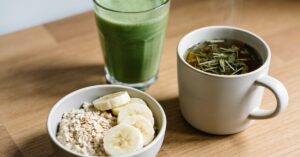
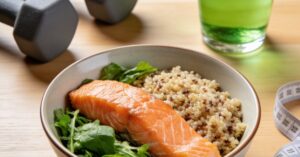
Incorporating specific, nutrient-dense foods can help counteract the physiological triggers of premenstrual bloating. Focus on consuming potassium-rich foods such as bananas, spinach, avocados, tomatoes, and sweet potatoes to help balance electrolyte levels. Furthermore, including natural diuretics like cucumbers, pineapple, and asparagus in your diet can assist in reducing fluid retention. Taking magnesium supplements during the second half of your cycle may also provide additional relief by supporting muscle relaxation and reducing the severity of bloating symptoms.
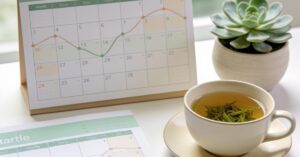
How to Track Weight During Your Period Accurately
To obtain an accurate reflection of your weight without the interference of hormonal cycles, follow these steps for reliable tracking:
- Avoid the scale during the 5–7 days prior to your period.
- Weigh yourself during the first week after your period ends.
- Alternatively, weigh yourself immediately after ovulation for a baseline reading.
- Maintain a consistent time of day for all weigh-ins.
Important: If you experience extreme or persistent swelling that does not resolve after your period, it is always advisable to consult with a healthcare professional to rule out other underlying health issues. By waiting until the follicular phase to check your weight, you ensure that you are gathering data when your body is at its most stable.
Frequently Asked Questions
Can exercise make period bloating worse?
No, gentle exercise typically helps reduce bloating by encouraging circulation and digestive movement. Engaging in activities like walking or yoga is highly recommended to manage water retention effectively.
Is it normal to feel heavier in the breasts during this time?
Yes, it is entirely normal to experience increased weight and tenderness in the breasts due to progesterone-driven fluid retention. This sensation is a common PMS symptom that resolves as hormone levels stabilise after the period begins.
Should I avoid salt entirely to prevent weight fluctuation?
You do not need to avoid salt entirely, but you should aim to stay under the 1,500 mg daily limit to prevent excessive water retention. Focusing on whole, unprocessed foods is a more sustainable way to manage your intake than complete elimination.
Does the contraceptive pill affect menstrual weight gain?
Yes, some hormonal contraceptives can influence fluid balance and weight, which may interact with your natural cycle. If you notice significant changes in your weight after starting a new medication, you should discuss these symptoms with your GP.
Remember that these temporary fluctuations are a natural part of your body’s hormonal rhythm, so focus on consistent hydration and gentle movement rather than the daily number on the scale. By tracking your weight during the week following your period, you can gain a clear and accurate perspective on your health journey without the stress of cycle-related water retention.