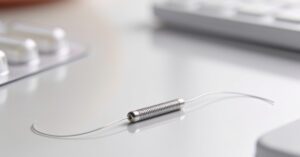

Managing the side effects of progesterone is a vital step in maintaining your overall well-being and ensuring the long-term success of your hormone replacement therapy. In this article, you will discover evidence-based strategies to navigate these physical and emotional challenges, learning exactly what to expect from your treatment and how to prepare your body for a smoother, more comfortable experience. By implementing these practical adjustments, you can regain control over your health and effectively minimise the impact of common hormonal symptoms on your daily life, ensuring that your journey through menopause remains manageable and positive.
How to reduce side effects of progesterone
Managing Progesterone Sensitivity
Progesterone, and particularly synthetic progestins, can occasionally lead to unwelcome side effects including dizziness, bloating, mood fluctuations, and fatigue. Implementing specific management strategies can often mitigate these symptoms and improve your overall experience during treatment.
Effective Adjustments for Progesterone Usage
If you encounter side effects while undergoing hormone therapy, you may wish to consider the following approaches to improve your comfort:
- Evening Administration: Taking your oral capsules immediately before bed can help you sleep through initial periods of drowsiness.
- Vaginal Application: Using micronised progesterone capsules vaginally, rather than swallowing them, enables the hormone to reach the uterus directly. This method bypasses systemic absorption, which often helps in reducing brain fog and daytime sedating effects.
- Consuming with Food: If you experience mild nausea, taking your tablets alongside a light meal or snack can prove beneficial for absorption and digestion.
- Reviewing Regimens: Patients on continuous therapy should discuss the possibility of a cyclical regimen with their medical practitioner, allowing for periodic breaks from the hormone.
- Intrauterine Systems: Devices such as the levonorgestrel-releasing intrauterine system (LNG-IUS) provide a localized release of hormones directly into the uterus, which significantly reduces the amount circulating in your bloodstream.
Mitigating Dizziness and Fatigue
If you feel lightheaded or excessively tired as a result of your medication, the following tips may assist in managing your daily routine:
- Movement Precautions: Refrain from operating heavy machinery, driving, or cycling if you feel dizzy. If you experience a sudden onset of symptoms, sit or lie down until the sensation passes.
- Gradual Transitions: Always stand up slowly after sitting or lying down to reduce the risk of orthostatic dizziness.
- Physical Activity: Engaging in gentle, consistent exercise such as yoga or brisk walking can help improve mental alertness and combat fatigue.
- Alcohol Intake: It is advisable to limit or avoid alcohol, as it can exacerbate sedative effects and dizziness.
- Nutritional Support: Some individuals find that incorporating magnesium glycinate or vitamin B6 into their supplement routine helps regulate mood-related changes, though you should check this with your doctor first.
Understanding Body-Identical Progesterone
Micronised progesterone, often referred to as body-identical or bio-identical, possesses the same molecular structure as the hormone naturally produced by the corpus luteum. Many patients discover that this form is significantly better tolerated than synthetic alternatives. Keeping a detailed diary of your symptoms, medication dosages, and cycles is highly recommended, as it allows your healthcare provider to tailor your treatment plan more effectively.
Safety Advice and Consultation
Never make sudden alterations to your dosage, treatment schedule, or delivery method without consulting your healthcare professional first. Abruptly ceasing treatment can cause hormonal imbalances. Always consult your GP or menopause specialist to ensure any changes align with your specific clinical needs and medical history.
Direct Strategies to Mitigate Progesterone Side Effects
The most effective way to understand How To Reduce Side Effects Of Progesterone is to optimise the method of administration and the timing of your dose to align with your body’s natural metabolic processes. When you take progesterone, especially the synthetic forms, it is often processed through the liver, which can lead to systemic issues like dizziness and excessive sedation. By switching from oral to vaginal administration, you can bypass the liver’s first-pass metabolism, which significantly lowers the amount of hormone absorbed by the whole body. Additionally, scheduling your intake for the evening or bedtime allows you to sleep through the peak sedative window, while maintaining a consistent daily routine helps your body stabilise more reliably during the initial weeks of treatment. Achieving hormonal balance is rarely a linear process, and these small, tactical shifts in your daily routine, such as adjusting when you take your medication, can make a massive difference in your quality of life.
Optimising Administration Routes for Progesterone as Part of HRT
You can significantly lower systemic side effects by using micronised progesterone capsules, such as Utrogestan or Prometrium, via the vaginal route rather than swallowing them. When using this method, always consult your healthcare professional regarding the „off-label” nature of this practice to ensure it is appropriate for your specific hormone replacement therapy regimen. If you remain on oral progesterone, taking it on an empty stomach two hours after your final meal of the day can further reduce digestive discomfort. Many women find that body identical progesterone is better tolerated than synthetic forms of progesterone because it more closely mimics the hormone naturally produced by your system. Ever wondered if there is a simpler way to track your progress? Keeping a daily symptom diary helped me stay on top of things when I was helping a partner navigate similar hormonal adjustments, as it provides clear data for your GP to review during consultations regarding your combined HRT or sequential progesterone regime.
| Regimen Type | Standard Dosage | Frequency |
|---|---|---|
| Sequential | 300 mg | 12–14 days per cycle |
| Continuous | 200 mg | Every night |
Safety Guidelines and Progesterone Intolerance
Intramuscular injections should generally be avoided for routine use due to the high risk of localised pain, inflammation, and site-specific discomfort. Instead, consider using an Intrauterine System (IUS), such as the Mirena coil, which offers a targeted approach by releasing progestogen directly into the uterus. This Mirena coil is inserted into your uterus and is highly effective at minimising the systemic absorption that often triggers unwanted side effects elsewhere in the body. It works by keeping the lining of the womb thin, which is essential when taking estrogen as part of your HRT to prevent the risk of uterine cancer. Always prioritise these less invasive, targeted options before considering more aggressive or systemic delivery methods, as the goal is to localise the hormone exposure to where it is needed most, protecting the endometrium while preventing the systemic load that often causes progesterone intolerance.
Dietary Strategies for Menopause and Progesterone Side Effects
Reducing progesterone-related side effects through diet involves stabilising your internal environment by avoiding high-fat meals when taking oral medication and managing your intake of sodium and stimulants. Follow these dietary recommendations to keep your system balanced and to learn How To Reduce Side Effects Of Progesterone effectively:
- Avoid high-fat foods (avocado, nuts, oily fish) when taking oral doses to prevent increased sedation and dizziness.
- Consume 20 to 30 grams of protein per meal to stabilise glucose levels and prevent blood sugar crashes.
- Limit sodium intake by cutting out processed foods and fast food to reduce fluid retention and the dreaded bloat.
- Boost potassium with bananas, sweet potatoes, and spinach to counteract the effects of sodium.
Supporting Gut Health and Natural Progesterone Balance
Incorporating specific nutrient-dense foods can actively alleviate hormonal discomfort and support your overall digestive health. Fermented items like kefir, natural yoghurt, and sauerkraut are excellent for maintaining a healthy gut microbiome, which is vital when progesterone is metabolised. High-fibre foods such as lentils, beans, whole grains, and broccoli promote regular digestion and metabolic stability, which helps manage the fluid retention often linked to combined HRT. To assist in regulating the nervous system and reducing breast tenderness, ensure you include magnesium-rich foods like dark chocolate, almonds, cashews, and dark leafy greens in your daily diet. Finally, strictly limiting caffeine and alcohol is essential, as these substances place unnecessary stress on the liver and are known triggers for vasomotor symptoms and breast tenderness that can make hormonal transitions feel significantly more intense.
Lifestyle Adjustments to Manage Symptoms of Progesterone Intolerance
Minimising the impact of progesterone on your daily life is best achieved through a combination of restorative sleep, targeted supplementation, and stress-reduction techniques. Aiming for 7 to 8 hours of deep, restful sleep is non-negotiable for hormone regulation, especially if you are dealing with night sweats or other effects of menopause. The use of magnesium glycinate can specifically help calm GABA receptors and relieve muscle cramps, which are common symptoms of progesterone intolerance. Incorporating vitamin B6 into your routine is also a proven method to aid in effective hormone synthesis. To maintain stable insulin and glucose levels, avoid refined carbohydrates and heavy sugar intake, which can otherwise lead to energy crashes and heightened irritability, making it harder to cope with the various types of HRT available today.
Physical Activity and Stress Management
You can manage hormonal stress by replacing high-intensity workouts, which may exacerbate fatigue or trigger a blood clot risk in those predisposed, with gentler activities like walking, Pilates, or light strength training. Practising yoga, meditation, or deep breathing exercises provides a vital outlet for managing the emotional fluctuations often associated with hormone therapy. By focusing on these low-impact movements, you support your cardiovascular health without overtaxing your nervous system, allowing your body to adapt more gracefully to your progesterone regimen. From my experience, the discipline of showing up for a gentle walk is far more sustainable during hormonal shifts than trying to push through a high-intensity session that leaves you depleted for the rest of the day.
Addressing Mood Swings and Bloating
Managing mood swings and bloating effectively often requires a shift in both your medication strategy and your physical activity levels. Switching from synthetic progestogens to dydrogesterone is a common and often successful medical strategy for those who find standard options too difficult to tolerate. Supplementing with magnesium glycinate is highly recommended to help regulate the nervous system, which can provide a buffer against the irritability often linked to progesterone intolerance. If these adjustments do not yield the desired results, discussing the introduction of SSRIs or SNRIs—such as escitalopram or venlafaxine—or the use of gabapentin with your doctor can offer a pathway to stability when hormonal solutions alone are insufficient. Finding the right medical combination is a process of elimination; always track your symptoms to see if they are a result of your estrogen and progesterone levels or a reaction to the specific progestogen used.
Distinguishing Between Routine Side Effects and Serious Complications
Important: Recognising the difference between normal adjustment symptoms and medical emergencies is critical for your safety during hormone replacement therapy. Common side effects like bloating, mild fatigue, and minor mood shifts are expected during the first few weeks; however, symptoms like sharp chest pain, shortness of breath, or coughing up blood are red flags that require emergency care, as these may indicate a blood clot. You must also seek immediate medical attention for sudden neurological changes, including weakness, numbness, slurred speech, confusion, or facial drooping, as these can indicate serious vascular events. Additionally, sudden vision loss, intense eye pain, jaundice, light-coloured stools, or difficulty swallowing are signs that the medication may be causing an adverse reaction that necessitates an immediate cessation of use and professional medical evaluation by a healthcare professional.
- Seek emergency care for sudden weakness, numbness, slurred speech, or confusion, which may indicate a stroke or blood clot.
- Contact medical services for sudden partial or complete loss of vision or severe eye pain.
- Report jaundice (yellowing of skin or eyes) or severe upper stomach pain immediately to your doctor.
When to Consult a Doctor About Progesterone
You should contact a doctor if your symptoms, such as persistent bloating or fatigue, become unmanageable or significantly impact your quality of life. It is also important to seek medical advice for breast pain or tenderness that lasts longer than six weeks, or if you notice any new breast lumps, nipple discharge, dimpling, or redness, as these can be potential risks associated with long-term hormone therapy. Unexpected vaginal bleeding after six months of continuous HRT must always be investigated to rule out underlying issues like endometrial cancer or an issue with your uterine lining. If you find that your mood changes, depression, or panic attacks do not show improvement despite lifestyle adjustments, professional intervention is necessary to review your treatment plan. Many people ask about How To Reduce Side Effects Of Progesterone at home, but there is no substitute for a thorough clinical review when symptoms are severe or persist.
Frequently Asked Questions
Is it normal to feel moody when starting HRT?
Mild mood fluctuations are a common reaction as your body adjusts to new hormonal levels during the initial weeks of therapy. If these feelings intensify into severe depression or panic attacks, you should consult your healthcare provider to discuss alternative dosage timings or medication types, as you may be suffering from known progesterone intolerance.
Can magnesium supplements really help with cramps?
Yes, magnesium glycinate is frequently recommended by specialists to help regulate the nervous system and soothe muscle tension. It acts as a gentle support mechanism to alleviate the physical discomfort and fluid retention often experienced alongside hormonal adjustments.
What should I do if I forget to take my progesterone?
If you miss a dose, consult your patient information leaflet or contact your pharmacist for specific guidance based on your prescribed regimen. Generally, it is best to resume your normal schedule the following night rather than doubling up, as maintaining consistency is key to avoiding further side effects.
Are there specific workouts I should avoid?
High-intensity interval training can sometimes exacerbate fatigue or stress during the adjustment phase of hormone therapy. Opting for low-impact exercises like walking or Pilates helps keep your body active without placing undue strain on your system or increasing the risk associated with blood pressure fluctuations.
Prioritising vaginal administration and nightly dosing remains the most effective technical adjustment for minimising systemic discomfort during hormone replacement therapy. Please remember that your comfort is a priority, and consistent communication with your healthcare provider will ensure your treatment plan remains both safe and supportive of your daily well-being.