
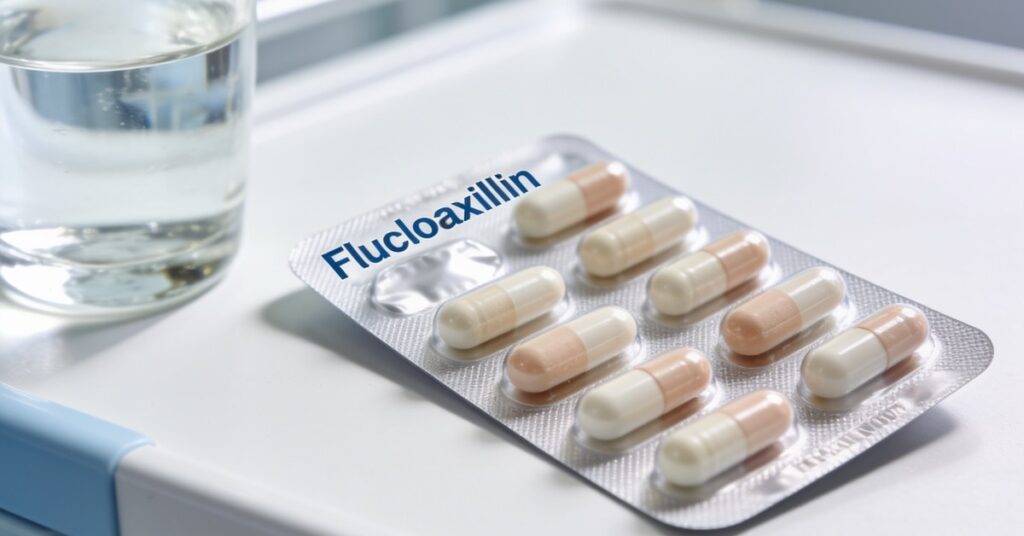
Navigating a prescription for Flucloxacillin can be daunting, but understanding how to manage this potent antibiotic is a vital step in your recovery from a bacterial infection. In this guide, you will find evidence-based insights into how this medication works, essential safety protocols, and practical advice on what to expect during your treatment course. By arming yourself with these facts, you can confidently support your body’s healing process while minimising potential risks.
Flucloxacillin
Understanding Flucloxacillin
Flucloxacillin belongs to the penicillin family of antibiotics. It is prescribed to combat various bacterial infections, with a particular focus on skin and soft tissue conditions, such as abscesses, boils, and infected wounds or burns. By breaking down the cell walls of bacteria, it effectively stops their growth and spread.
Beyond skin issues, this medication is also utilised to address bacterial infections occurring in the upper and lower respiratory tracts, including conditions like tonsillitis and bronchitis. It may also be used in some cases to treat infections affecting the bones or the heart.
Recommended Dosage and Administration
Adhering to the prescribed course is vital to ensure the infection is completely eliminated and to prevent recurrence. Do not stop taking the medicine early, even if your symptoms improve.
- Adult Dosage: Typically, the recommended dose ranges from 250mg to 500mg, administered four times daily.
- Optimal Timing: For maximum efficacy, consume the capsule on an empty stomach—ideally one hour before a meal or two hours after. If you suffer from nausea, it is acceptable to take it with food.
- Method of Consumption: Swallow the capsules whole with a glass of water; do not chew or crush them.
Managing Potential Side Effects
Some individuals may encounter mild side effects while using this antibiotic. Common reactions include:
- Nausea or vomiting
- Diarrhoea
- Minor skin rashes
Safety Precautions and Considerations
Before beginning your course, please be mindful of the following health considerations:
- Allergies: Always inform your healthcare professional if you have previously had an allergic reaction to penicillin or any other antimicrobial drugs.
- Organ Health: Exercise caution if you possess a history of kidney disease or liver complications, particularly if you have experienced issues with flucloxacillin in the past.
- Alcohol Intake: While consuming alcohol is not strictly prohibited, excessive drinking should be avoided, as it may exacerbate symptoms like nausea.
When to Seek Urgent Medical Help
Although severe adverse reactions are extremely uncommon—occurring in fewer than 1 in 10,000 cases—you should stop the medication and seek immediate medical assistance if you experience any of the following:
- Difficulty in breathing
- Swelling of the throat or face
- A sudden, itchy skin rash
- Signs of liver distress, such as jaundice (yellowing of the skin or the whites of the eyes)
For detailed information regarding drug interactions, bespoke dosing instructions, or comprehensive safety protocols, please consult your GP or your local pharmacist.
Clinical Purpose and Mechanism of Action of Flucloxacillin
Flucloxacillin is a narrow-spectrum penicillin antibiotic specifically prescribed to eliminate bacterial infections caused by penicillin-resistant staphylococci. It is a highly effective treatment for skin and soft tissue infections, including cellulitis, impetigo, abscesses, infected wounds, and nail bed infections, by preventing the bacteria from building their protective cell walls.
Beyond dermatological issues, clinicians utilise this medication for respiratory tract infections such as pneumonia and bronchitis, as well as deep-seated infections like osteomyelitis in bones and joints. It is also employed in the treatment of endocarditis, lactational mastitis, and various ear, nose, and throat infections. Furthermore, it serves as a prophylactic measure to prevent bacterial complications before major heart or orthopaedic surgeries.
Dosage and Proper Methods for Taking Flucloxacillin
To ensure Flucloxacillin works effectively, you must take it on an empty stomach, at least 60 minutes before a meal or at least two hours after eating. Dealing with these strict timing requirements can be a bit of a nuisance, but from my experience, setting a recurring alarm on your phone is the best way to avoid missing a dose or accidentally taking it with food.
The standard dosage for most infections requires a strict schedule of four times a day. Because this medication is only available on prescription, always follow the specific instructions on your patient leaflet and complete the full course as directed by your GP, even if you begin to feel better before the tablets run out.
- Set four daily alarms to maintain consistent blood levels.
- Keep a small notebook or app to log each dose taken.
- Avoid alcohol to reduce strain on your liver.
- Drink plenty of water to support your kidneys during treatment.
Common Side Effects and Effects of Flucloxacillin
Most individuals taking Flucloxacillin may experience mild digestive disturbances, which are considered common side effects of this antibiotic therapy. Ever wondered if you can mitigate that queasy feeling? Keeping your meals light and strictly following the fasting window often helps settle the stomach.
| Side Effect | Management Tip |
|---|---|
| Nausea / Indigestion | Stay upright after taking doses |
| Diarrhoea | Ensure adequate hydration |
| Bloating | Avoid heavy, greasy foods |
If you experience severe diarrhoea—specifically defined as lasting longer than four days or containing visible blood or mucus—you must seek medical attention promptly to rule out deeper gastrointestinal complications.
Contraindications and Risks When Taking Flucloxacillin
You must not take Flucloxacillin if you have a known allergy to any penicillin, cephalosporins, or beta-lactam antibiotics. A history of such hypersensitivity presents a significant risk of severe allergic reactions.
Important: There is a severe, clinically significant interaction between Flucloxacillin and paracetamol that you must be aware of. Concurrent use of these two medications can lead to serious health complications, specifically high anion gap metabolic acidosis and pyroglutamic acidosis (PGA). Always inform your doctor or pharmacist of all medications you are currently taking to avoid these dangerous chemical interactions.
Recognising Allergic Reactions and Serious Risks
Allergic responses to this antibiotic can manifest immediately or develop as a delayed reaction weeks after treatment has concluded. Immediate signs of anaphylaxis, such as throat tightness, difficulty breathing, or loss of consciousness, require emergency medical care within one hour of administration.
- Monitor for skin rashes or urticaria shortly after the first dose.
- Watch for unusual joint or muscle pain starting two or more days after initiation.
- Be vigilant for jaundice, dark urine, or pale stools for up to two months post-treatment.
- Seek emergency care if you notice blistering or peeling skin (SCARs).
Frequently Asked Questions
Can I continue taking my regular vitamins while on this course?
Generally, most vitamins are safe, but you should check with your pharmacist to ensure they do not interfere with the absorption of Flucloxacillin. It is best to space out your supplements from your antibiotic dose by at least two hours.
How long does it take for the medication to start working?
You should start to feel an improvement in your symptoms within 48 to 72 hours of starting the treatment. If your condition does not improve or appears to worsen after three days, please consult your GP for a review.
Why does the risk of liver injury seem higher with this antibiotic?
Flucloxacillin has a known, though rare, association with drug-induced liver injury that can occur even after the course is finished. This is why doctors monitor patients with existing liver conditions more closely when prescribing this specific medication.
Is it possible to develop a resistance to the antibiotic if I don’t finish the course?
Yes, stopping the medication early can lead to incomplete clearance of the infection and may encourage the growth of bacteria that are more resistant to treatment. Always complete the full course prescribed to ensure the infection is entirely eradicated.
Adhering strictly to the prescribed fasting window is the most effective way to ensure this medication works safely and successfully for your recovery. If you encounter any unexpected symptoms, please reach out to your healthcare provider promptly to ensure you receive the support you deserve.
Disclaimer: This article is for informational purposes and does not replace professional medical advice. Always consult your GP or pharmacist regarding your specific health needs and medication management.