Managing a course of antibiotics can be a daunting process, but knowing how to time your doses correctly is a simple yet vital step in supporting your recovery and overall well-being. In this guide, you will learn the evidence-based facts regarding whether should amoxicillin be taken with food, helping you navigate potential side effects with confidence and ease. We will provide you with clear, practical strategies to ensure you feel as comfortable as possible while completing your treatment.
Should amoxicillin be taken with food
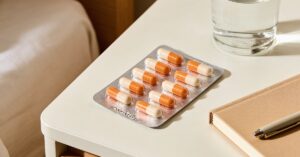
You may consume amoxicillin regardless of whether you have eaten or not. Nevertheless, if you find that this antibiotic leads to nausea or gastrointestinal discomfort, it is advisable to ingest it alongside a meal or a small snack. It is equally important to swallow the dose with a generous glass of water and to ensure that your doses are distributed evenly across the course of the day.
Guidelines for administration
Consistency is key when following your treatment regimen. To maintain effective levels of the medication in your system, try to adhere to the following practices:
- Space your doses at regular intervals throughout the day.
- If you are prescribed the medication three times daily, aim to take the first dose early in the morning and distribute the remaining ones accordingly.
- Always strictly follow the specific instructions provided by your general practitioner.
- Do not exceed the recommended dose, nor increase the frequency of your intake beyond what has been prescribed.
Important safety considerations
Your primary source of instruction should always be the specific guidance provided on your medication label and the advice issued by your doctor. If you require additional information regarding your personal dosage or how the treatment should be managed, consult professional medical resources or your local pharmacist for tailored advice. Always administer this medicine orally, accompanied by a full glass of water.
The Direct Answer: Can You Take Amoxicillin With Food and Manage Your Dose?
You can take amoxicillin either with or without food, as medical guidance confirms that dietary intake does not significantly impact the overall effectiveness or absorption of this antibiotic. Whether you choose to consume your dose on an empty stomach or alongside a meal, the medication will reliably reach its peak levels in your bloodstream within one to two hours of administration. This flexibility allows you to integrate your antibiotic treatment into your daily routine in a way that best suits your lifestyle and personal comfort levels, and many patients often ask me should amoxicillin be taken with food if they have a sensitive gut.
Managing Gastrointestinal Side Effects When Taking Antibiotics
Taking amoxicillin with a meal or a snack is an effective strategy to reduce common gastrointestinal side effects such as nausea, abdominal cramping, and an upset stomach. Because these issues occur in up to 1 in 10 people, integrating your medication into mealtime can serve as a protective buffer for your digestive tract. When you are uncertain about your schedule, remembering that should amoxicillin be taken with food is entirely your choice provides a great deal of practical relief for your daily planning.
| Strategy | Benefit |
|---|---|
| Take with a snack | Reduces gastric irritation |
| Stay upright for 30 mins | Prevents reflux and discomfort |
| Space out probiotics | Supports healthy gut flora |
Recommended Dietary Choices for Medicine Comfort
When you need to soothe an upset stomach while on antibiotics, opt for plain, bland foods that are easy for your body to process. From personal experience, sticking to these simple staples helps me avoid the „antibiotic belly” that often slows down my day:
- Plain toast or dry crackers
- Steamed white rice
- Ripe bananas
- Lean proteins (chicken, turkey, or white fish)
Incorporating Probiotics Wisely During Antibiotic Treatment
Probiotic-rich foods, such as plain yogurt, Greek yogurt, kefir, or kimchi, are beneficial for maintaining gut health during antibiotic treatment, but timing is essential. To ensure the bacteria in these foods do not interfere with the medicine’s absorption, you should space your intake of probiotic foods or supplements at least one to two hours away from your actual antibiotic dose.
Proper Medication Administration and Dosage Techniques
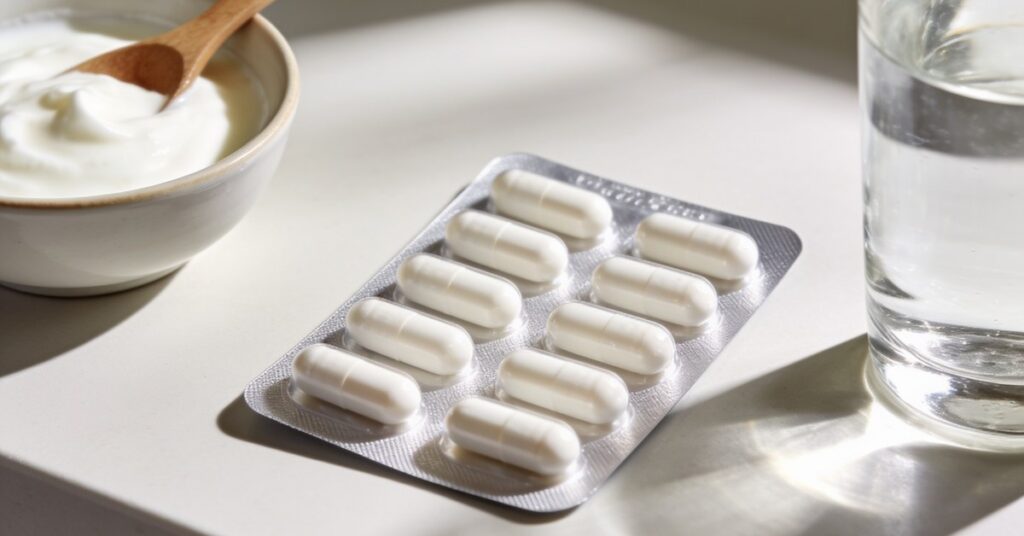
For the best results, you must follow specific protocols when handling your medication to ensure it is administered safely and effectively. You should always swallow amoxicillin capsules whole with a full glass of water, and it is imperative that you never chew, break, or crush them, as this can disrupt the delivery mechanism of the drug. If you have been prescribed extended-release tablets, keep in mind they should be taken within an hour after a meal to ensure the medication is released at the appropriate rate.
- Shake liquid suspensions thoroughly to ensure an even concentration.
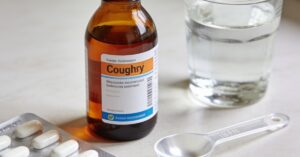
- Use an oral syringe or a calibrated medicine spoon for accuracy.
- Avoid using kitchen teaspoons, which often lead to incorrect dosing.
- Maintain a consistent schedule, typically every 8 to 12 hours.
Handling Liquid Suspensions for Accurate Dosage
If your prescription is for a liquid suspension, you must shake the bottle thoroughly before measuring each dose to ensure the ingredients are evenly mixed. If you are ever unsure about your specific dosage, remember that common adult doses typically range from 250mg to 500mg taken three times a day, with liquid concentrations often available in 125mg or 250mg per 5ml strengths.
Does Food Affect Amoxicillin Effectiveness or Empty Stomach Absorption?
Food generally has little or no impact on the clinical effectiveness of amoxicillin, although some studies have noted minor variations in absorption rates depending on whether the stomach is full or empty. Research by FN Eshelman in 1978 demonstrated that peak serum levels were remarkably similar—8.9 µg/ml in fasting subjects compared to 8.8 µg/ml in nonfasting subjects—suggesting that fasting is not a clinical requirement for the drug to work. While a later study by DD Thambavita in 2021 noted a significant decrease in absorption when taken with food, this does not typically translate into a loss of therapeutic success for standard bacterial infections.
Specific Dietary Restrictions for Antibiotic Treatment
While most food is acceptable, dairy products such as cheese, milk, butter, and yogurt should not be consumed until at least three hours after a dose of antibiotics. This precaution helps prevent the potential for dairy to bind with certain components of the medicine, ensuring your body receives the full benefit of each dose.
Best Practices for Reducing Nausea During Antibiotic Treatment
To further minimise nausea and manage your symptoms at home, try to wait at least 30 minutes after taking your dose before lying down, which can help prevent reflux and stomach irritation. In addition to eating plain, bland foods, you should maintain hydration by sipping clear broths or ginger tea throughout the day. Avoid caffeine, spicy dishes, and acidic foods like citrus fruits and tomatoes, as these can easily inflame a stomach that is already sensitive due to the medication.
Important: If you accidentally take more than the prescribed dose and experience symptoms such as severe stomach pain or persistent vomiting, please contact NHS 111 or your local emergency medical service immediately.
Frequently Asked Questions
Can I drink alcohol while taking this antibiotic?
It is generally advised to avoid alcohol while taking antibiotics, as it can worsen dehydration and increase the risk of nausea. Alcohol can also potentially interfere with your body’s ability to recover from the underlying infection.
How long does it take for the medicine to start working?
You may start to feel relief from your symptoms within 48 to 72 hours of starting your course. However, it is essential to finish the entire prescribed course even if you feel better to ensure the bacteria are fully eliminated.
What if I miss a dose of my medicine?
If you miss a dose, take it as soon as you remember, unless it is almost time for your next scheduled dose. Do not take a double dose to make up for a missed one, as this can increase the risk of side effects.
Can I take other vitamins with my antibiotic?
Most vitamins are safe, but some supplements containing minerals like iron, calcium, or magnesium can interfere with the absorption of certain antibiotics. Always check with your pharmacist to ensure there are no contraindications between your supplements and your specific antibiotic treatment.
Maintaining a consistent schedule is the most effective way to ensure your antibiotic treatment works as intended, regardless of whether you choose to take it with a meal. Always remember that swallowing your capsules whole with a full glass of water remains the most critical step to avoid irritation and ensure your recovery stays on track.