Protecting your newborn from influenza is a primary concern for every parent, as the vulnerability of an infant’s developing immune system requires proactive and informed health management. In this article, you will learn the essential evidence-based strategies to minimise infection risks, understand the critical thresholds for seeking emergency care, and discover how to effectively coordinate household health safety. By following these professional insights, you can feel more confident and prepared to navigate flu season while ensuring your baby remains safe and well-protected.
The most important fact to understand regarding Newborn Flu is that infants younger than 6 months are at the highest risk for severe complications and cannot receive the influenza vaccine themselves. Consequently, the primary strategy for keeping a newborn safe is „cocooning,” which involves ensuring that every eligible family member and caregiver is vaccinated annually to create a protective barrier around the baby. Because newborns have immature immune systems, they lack the ability to mount an effective response to the virus, making prevention through environmental control and caregiver vaccination the absolute gold standard for their wellbeing. Dealing with the complexities of Newborn Flu requires a calm, methodical approach to hygiene and vaccination status. Many parents are surprised to learn that the virus is not airborne in the way some believe, but is instead transmitted through respiratory droplets that settle on surfaces or are inhaled directly. This reality makes the environment you create within your home the single most effective barrier against infection. As an experienced health advocate, I have seen too many families panic during the first signs of illness; however, by maintaining a strict protocol of hand hygiene and social distancing, you can drastically lower the statistical probability of your infant becoming ill. The transition to parenthood is demanding, but understanding these clinical realities empowers you to take control of your child’s health before a crisis ever occurs.
Newborn flu
Protecting your newborn from influenza
Newborn infants are particularly susceptible to influenza due to their developing immune systems and the fact that they are ineligible for the flu vaccine. It is vital for families to remain vigilant during the cold and flu season. Common indicators of infection in infants include a sudden high temperature of 38°C or above, rapid or laboured breathing, noticeable lethargy, poor feeding, and vomiting.
Recognising the warning signs
The manifestation of influenza in infants often differs significantly from that observed in adults. Should your newborn under three months old display any signs of illness, it is imperative to contact your GP or paediatrician immediately. You must seek urgent medical assistance by dialling 999 or attending the nearest Accident and Emergency department if you observe any of the following emergency indicators:
- Breathing difficulties: Rapid or laboured breathing, grunting sounds, or the skin pulling in beneath the ribs.
- Changes in skin tone: The lips, tongue, or skin appearing grey, blue, or unnaturally pale.
- Dehydration: A significant reduction in the number of wet nappies, a dry mouth, or a sunken fontanelle (soft spot).
- Lethargy: The infant appearing limp, excessively floppy, or proving very difficult to awaken.
- Persistent vomiting: Inability to retain any fluids.
Managing illness at home
If a healthcare professional has diagnosed your baby with the flu and recommends home-based care, your primary focus should be on comfort and maintaining hydration. To support your infant’s recovery, consider the following measures:
- Hydration: Continue to offer frequent formula or breast milk feeds to ensure your baby remains hydrated.
- Clearing congestion: Carefully use a bulb syringe and nasal saline drops to clear a blocked nose.
- Environmental comfort: A cool-mist humidifier may help to ease congestion and facilitate easier breathing.
- Medical guidance: Always consult a pharmacist, health visitor, or GP before administering any medication, such as infant paracetamol. Note that you must never provide honey to infants under one year, nor should you ever administer aspirin to children under the age of 16.
Vaccination and preventative care
Vaccination is a key component of protecting children against influenza. Infants may receive the flu vaccine once they reach the appropriate age. A two-dose regimen is required for children between the ages of six months and eight years who are receiving the vaccine for the first time. Please consult your local health services for specific guidance on current vaccination schedules and advice on managing childhood viral infections.
Understanding Vaccination Eligibility and Protective Immunity for Babies and Young Children
Why Children Younger Than 6 Months Cannot Receive the Flu Shot
Infants must be at least 6 months old to receive the flu vaccine, which is why those younger than this age cannot be directly immunised against the virus. The Centers for Disease Control and Prevention (CDC) specifically recommends the influenza vaccine for everyone aged 6 months and older, leaving the youngest infants entirely dependent on the immunity of the adults and older children around them for protection. This age restriction is based on the maturation of the infant’s immune system, which is not yet capable of processing the vaccine antigens to create a robust antibody response. Therefore, the scientific consensus is to focus all immunisation efforts on the surrounding community, creating a herd immunity effect that shields the infant from exposure.
The Role of Maternal and Caregiver Vaccination to Help Prevent Influenza
To protect newborns effectively, it is recommended that pregnant women receive the flu vaccine at any stage of their pregnancy to pass antibodies to the developing baby. Furthermore, all caregivers and household members older than 6 months should receive an annual flu shot, as this reduces the likelihood of the virus circulating within the home. For children aged 6 months to 17 years who may have certain long-term health conditions, vaccination is particularly vital to prevent the introduction of influenza into the domestic environment. When you and your family members get vaccinated, you are not just protecting yourselves; you are acting as a biological shield for the most vulnerable member of your household. This is the most practical application of medical science in a domestic setting that I have encountered in my years of experience.
Essential Strategies to Prevent Flu From Spreading
Daily Hygiene and Environmental Control for Cold and Flu Symptoms
Frequent hand washing with soap and water for at least 20 seconds is the most effective way to prevent the spread of influenza before holding an infant. Additionally, you should regularly clean high-touch surfaces, such as doorknobs, countertops, and changing tables, using a standard household disinfectant to eliminate any viral particles that may have settled in the environment. It is a simple, cost-effective habit that pays dividends in safety. I have often advised parents to place a bottle of hand sanitiser near the nursery entrance as a visual prompt, ensuring that every visitor and family member follows the protocol without needing a reminder. Consistency is the hallmark of a safe home environment, especially when dealing with the potential threat of Newborn Flu.
Limiting Exposure and Maintaining Safe Distance to Prevent Flu in Children
You can significantly reduce the risk of infection by limiting your newborn’s exposure to crowded areas, especially during the peak of flu season. If a household member falls ill, they must maintain a safe distance of at least 6 feet from the baby and, ideally, be confined to a separate room to prevent the spread of respiratory droplets. Should a sick person be required to handle the infant, they must wear a mask and change into a fresh shirt or gown to minimise the transfer of the virus. This level of caution may seem excessive to some, but in the context of a 3-month-old infant, it is entirely justified by the clinical risks involved. Remember: Keeping a simple symptom diary or a checklist for household hygiene helped me stay on top of things when my own kids were small—it removes the guesswork during stressful moments.
The Protective Benefits of Breastfeeding Against Cold or Flu
Breastfeeding provides an added layer of protection for an infant, although it is important to clarify that the flu virus itself is not transmitted through breast milk. Because influenza is primarily spread via respiratory droplets from coughing, sneezing, or talking, nursing is a safe practice even if the mother is recovering from an illness. Breastfeeding mothers are encouraged to consult resources like the NHS Medicines A-Z or the Breastfeeding Network Drugs in Breastmilk Service for guidance on safe flu remedies, and they should be reassured that receiving a flu vaccination while nursing is perfectly safe and highly recommended for the health of both mother and child. From a physiological standpoint, the antibodies transferred through breast milk can offer passive immunity, which provides a degree of support to the infant’s system while they are still too young for active vaccination. It is a biological advantage that, while not a replacement for vaccines, certainly contributes to the overall resilience of the infant during their first critical months of life.
Identifying When a Fever in Babies and Young Children Requires Emergency Care
Emergency Thresholds for Infants Under 3 Months
Any fever in a newborn under 3 months old is considered a medical emergency that requires prompt clinical evaluation. Specifically, a rectal temperature of 100.4°F (38°C) or higher is the threshold that demands immediate action. If an infant is under 1 month of age and reaches this temperature, they must be taken to the emergency department without delay, as their bodies cannot regulate heat or fight infection as efficiently as older children. It is vital to note that peripheral thermometers—such as those used on the forehead or in the ear—can sometimes be less accurate in newborns. When in doubt, a rectal reading is the gold standard for clinical assessment in this age group, providing the most accurate data for healthcare professionals to make a decision regarding urgent care or observation.
| Patient Age | Threshold Temperature | Action Required |
|---|---|---|
| Under 1 Month | 100.4°F (38°C) | Immediate Emergency Department Visit |
| 1 to 3 Months | 100.4°F (38°C) | Urgent Medical Review |
| 6 to 24 Months | 100.4°F (38°C) | Call Doctor if lasting > 24 hours |
When to Seek Urgent Medical Consultation for Cold and Flu Symptoms
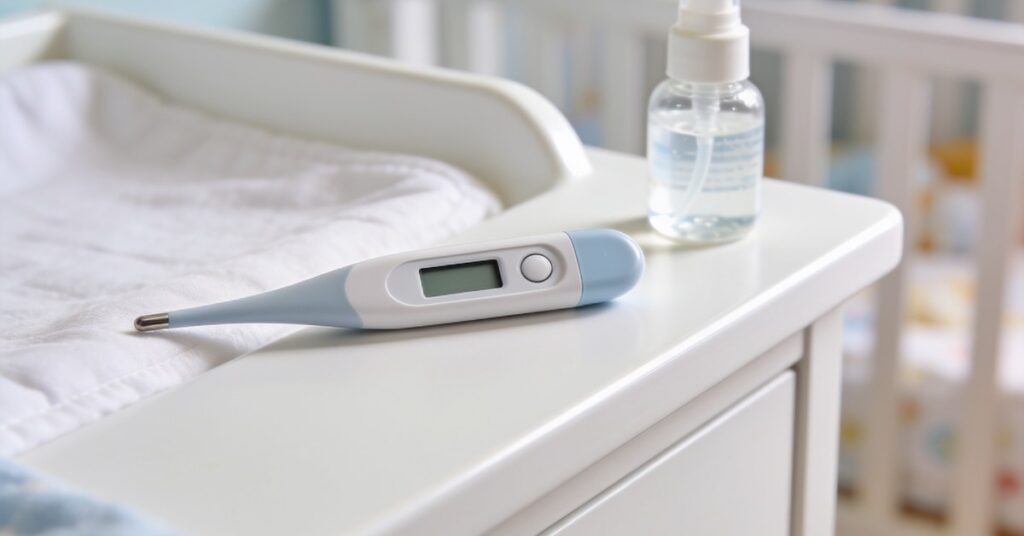
Children under 90 days of age with a temperature above 38°C (100.4°F) require an urgent review by a healthcare professional to rule out serious illness. Ever wondered if there is a faster way to manage this? The key is keeping a reliable digital thermometer readily available to avoid any delay in checking the baby’s temperature. Important: Always contact a paediatrician immediately if your baby exhibits breathing difficulties, signs of dehydration, or appears unusually lethargic, regardless of what the thermometer reads. These clinical indicators are often just as significant as the temperature reading itself and should never be ignored in a clinical setting, as they reflect the infant’s overall stability and systemic response to potential infection.
Managing Sick Children Younger Than 5 Years Old
To prevent the spread of flu to a newborn, any children in the home younger than 5 years old who display flu symptoms must be kept home from day care, school, or camp for at least 24 hours after their fever has fully resolved. This period of isolation is critical because children are often „super-spreaders” of viral illnesses long before they show severe symptoms. By strictly adhering to these hygiene and social distancing rules, you create a safer environment for the newborn, whose health depends entirely on the vigilance of the adults and older siblings in the household. Managing the logistics of a sick child while caring for an infant is undoubtedly one of the most challenging aspects of modern parenting, but the risk of transmission to a newborn is simply too high to compromise on isolation periods.
- Isolate the sick individual in a separate room immediately to prevent cross-contamination.
- Mandate a 6-foot buffer zone between the sick person and the newborn at all times.
- Ensure strict 20-second hand washing with soap and water before any contact with the baby.
- Utilise surgical masks and fresh, clean clothing if direct contact is absolutely necessary for caregiving.
Frequently Asked Questions
Are there specific flu remedies safe for a baby who has a cold?
No, you should never administer over-the-counter flu remedies to a newborn without explicit instruction from a paediatrician. Most cold and flu medications are not approved for infants and can cause serious side effects, so always prioritise hydration and doctor-approved supportive care.
Can I distinguish between a regular cold and flu in babies?
It is often difficult to distinguish between the two based on symptoms alone, as both present with respiratory distress and fever. If your baby exhibits signs of illness, it is safer to assume the potential for influenza and contact your doctor for a professional assessment.
How long should I keep a child who get sick away from the newborn?
You should maintain isolation and strict hygiene measures for at least 24 hours after the fever has completely resolved without the use of fever-reducing medication. This duration helps ensure the child is no longer actively shedding the virus in a way that poses an immediate risk to the newborn.
Should I wear a mask if I am the caregiver and need a flu shot?
Yes, wearing a mask while ill is essential even if you have received your flu shot, as no vaccine is 100% effective against every strain. A mask serves as a physical barrier that significantly reduces the volume of viral droplets released into the air near your baby.
Prioritising annual vaccinations for every caregiver remains your most potent tool in building a protective shield around your infant. Please remember that your proactive vigilance and strict hygiene are the greatest gifts you can offer to keep your little one safe and healthy throughout the season.