
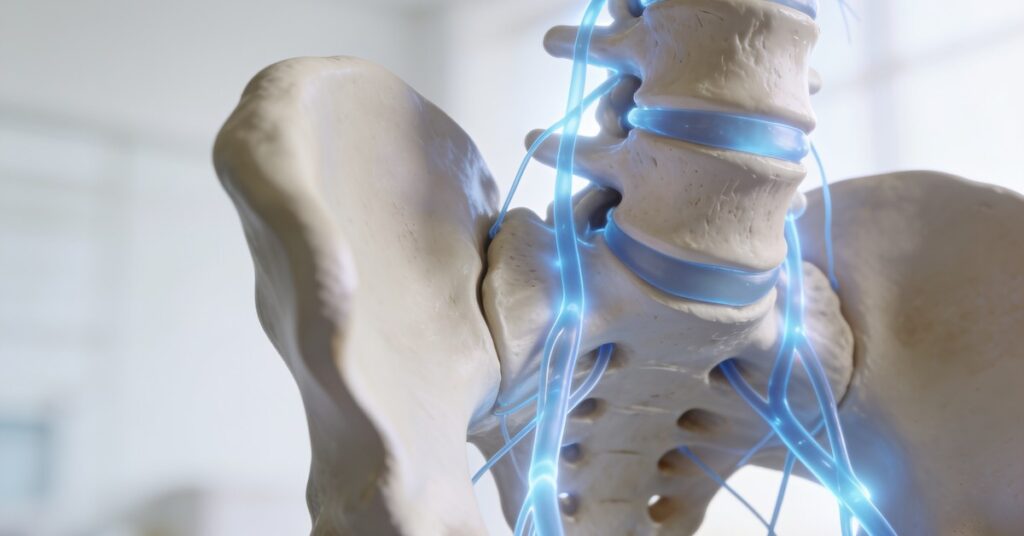
Managing sciatic pain requires a careful, evidence-based approach to movement, as choosing the wrong exercises can often exacerbate rather than alleviate your symptoms. In this guide, I will help you navigate the most reliable Sciatica Exercises PDF resources, teaching you how to safely integrate effective stretches into your routine while identifying which movements you must avoid. By following these professional recommendations, you can take a confident and informed step toward regaining your mobility and daily comfort.
How to Select Safe Sciatica Exercises and Manage Pain
The safest way to approach a Sciatica Exercises PDF is to select documents exclusively from verified medical authorities such as the NHS Sciatica Exercises portal or Harvard Medical School. When you download a guide, ensure it originates from official nhs.uk or oahct.com domains to avoid potentially harmful or unverified advice. Ever wondered if there is a faster way to manage this? From my experience, sticking to these validated sources saves you from the frustration of trying ineffective or risky techniques.
Recommended Sciatica Stretch Routines for Beginners
Beginners should focus on foundational, low-impact movements found in trusted guides like the Cirencester Health Group Sciatica Guide, Easthill Physiotherapy’s „Sciatica Savior,” or the Theorem Health Back & Sciatica Program. These resources provide structured, gentle routines that help manage nerve irritation without overstressing the lumbar spine. If you ever feel uncertain about your symptoms or progress, the NHS 111 service remains the primary point of contact for professional medical advice.
Core Beginner Knee and Side Stretches
- Lie on your back and gently pull your knee toward your chest.
- Hold the position for 20 seconds.
- Repeat for 1 set of 3 repetitions, twice per day.
- Incorporate knee rolls for a total duration of 30 seconds, holding for 5 seconds on each side.
Understanding Nerve Flossing for Sciatica Management
Nerve flossing is a specific therapeutic technique designed to improve the mobility of the sciatic nerve through its surrounding tissues, with protocols available via Verywell Health, oahct.com, and mbschiro.com. To execute these glides safely, complete 2 sets of 10 to 15 repetitions on each side, holding each glide for exactly 1 second, twice daily.
Safety Advice and Movements to Avoid
Important: Stop all exercise immediately if you experience sharp, electric, or shooting pain, or if your pain level exceeds a 4/10 on the standard scale. Seek emergency care instantly if you suffer from a loss of bowel or bladder control, as this is a red flag for serious neurological compromise.
Prohibited Exercises and Activity Description
| Action | Status |
|---|---|
| Standing and moving every 30–60 minutes | Recommended |
| Double straight leg raise | Avoid |
| Deep forward bends and toe touches | Avoid |
| Torso twisting while carrying weight | Avoid |
| High-impact aerobics | Avoid |
Professional Physical Therapy Versus Sciatica Exercises PDF
A Sciatica Exercises PDF offers a free or low-cost, standardised approach to home care, whereas professional physical therapy provides a highly customised, low-risk treatment plan tailored to your specific anatomy and the root cause of your sciatica. While a manual document provides general guidance, an in-person session allows for real-time form monitoring, which is crucial for preventing further injury.
Professional physical therapy, available through providers like Twin Boro Physical Therapy or CK Physio, includes specialised interventions such as manual therapy, dry needling, joint mobilisation, and myofascial release. In the UK, these private sessions typically cost between £40 and £100+ per session, offering a level of clinical oversight that static documents simply cannot replicate.
Frequently Asked Questions
Can I watch an exercise video instead of using a PDF?
Yes, video content can be highly effective if it comes from a verified medical expert or a reputable physiotherapy clinic. Ensure the video demonstrates proper form and provides clear verbal cues to prevent injury.
Should I raise my legs while lying down to help my back?
No, you should avoid double straight leg lifts as they place excessive strain on the lower back and can worsen nerve irritation. Focus on gentle, single-leg movements that do not cause sharp pain.
How long does it take for these stretches to provide relief?
Consistency is key, and many patients notice a reduction in tension within a few weeks of daily, gentle practice. If you do not feel any improvement after consistent effort, consult a professional to re-evaluate your treatment plan.
Is it normal to feel a stretch sensation during these exercises?
Yes, a mild, comfortable stretch sensation is expected, but it should never turn into sharp or electric pain. If you feel any shooting sensations, stop the movement immediately and reduce the intensity or range of motion.
Always listen to your body and prioritise movements that bring relief, keeping in mind that stopping immediately when pain strikes is your most important tool for a safe recovery.