
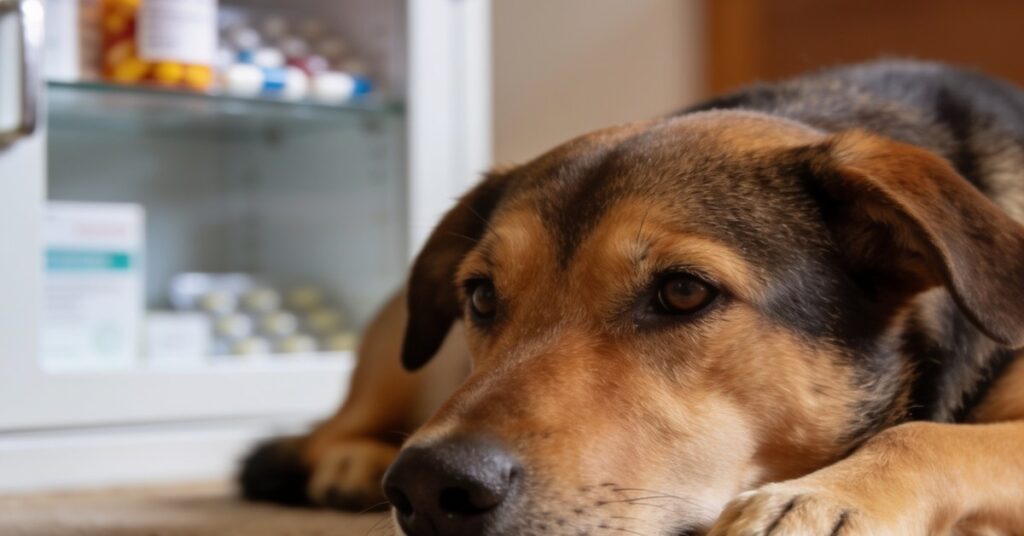
When your dog is in pain, the desire to provide immediate relief is natural, but reaching for your own medicine cabinet can lead to life-threatening consequences. In this guide, you will learn why human paracetamol is toxic to dogs, how to identify the critical warning signs of poisoning, and the exact steps you must take to protect your pet’s health. By understanding these physiological risks, you can make informed decisions that prioritise your dog’s safety and ensure they receive the correct professional care.
The direct answer to whether you can give your dog human paracetamol is a definitive „no.” You should never administer human paracetamol to your dog without a specific prescription from a veterinarian, as this medication is highly toxic to canines and can cause irreversible organ damage or death even at relatively low doses. Relying on your own medicine cabinet for pet pain relief is a dangerous practice that bypasses the necessary medical oversight required to keep your animal safe. Many owners often ask, „Can you give dogs human paracetamol” when they see their pet whimpering or limping, but the answer remains a hard no regardless of the situation or perceived level of discomfort.
Can you give dogs human paracetamol
You must never administer human paracetamol to your dog unless it has been specifically prescribed and carefully dosed by a qualified veterinarian. Providing unprescribed medication poses a severe risk to your pet, as improper dosage can lead to immediate, life-threatening liver failure and the destruction of red blood cells.
Critical Warnings Regarding Human Painkillers
Common household paracetamol products, such as Calpol, should never be offered to dogs. These formulations are designed for human physiology and can prove fatal to canine companions.
Essential Information
- Paracetamol is a standard analgesic and antipyretic for humans, but it is not safe for indiscriminate use in pets.
- This medication can be exceptionally toxic to animals.
- Certain human-grade medications contain hidden ingredients, such as xylitol, which are highly poisonous to dogs.
- While veterinarians may occasionally calculate specific, safe doses to manage certain types of canine pain, this is a strictly controlled medical procedure.
What to Do in an Emergency
If you suspect that your dog has consumed human paracetamol or any other type of human pain-relief medication, you must seek emergency veterinary assistance without delay. Never attempt to diagnose or medicate your pet’s conditions at home without professional guidance.
Safe Pain Management for Pets
Should your dog be suffering from pain or illness, always contact your local veterinary clinic. Experts are best equipped to provide safe, approved treatment plans. Relying on professional veterinary advice portals is a sensible way to learn about the dangers of human medication and to find appropriate alternatives for your pet’s welfare.
Dosing Variations Between Species
It is important to understand that medication metabolism differs significantly between species. For instance, sometimes the required doses for smaller animals, such as rabbits, may be higher than one might expect, further highlighting why human dosages are completely inappropriate and dangerous for your dog.
Why Human Painkillers and Human Medication Are Toxic to Dogs
Human painkillers like paracetamol are dangerous for dogs primarily because canine biology lacks the specific liver enzyme required for glucuronidation, which is the metabolic pathway humans use to safely break down the drug. Without this pathway, the body converts the substance into toxic metabolites that cause severe hepatic cytolysis, or the rapid destruction of liver cells, alongside methaemoglobinemia, which prevents red blood cells from carrying oxygen efficiently. This metabolic failure is why even small amounts of human-grade medication can be catastrophic for a dog’s internal systems.
Furthermore, many liquid paracetamol suspensions marketed for humans contain xylitol, an artificial sweetener that is lethally toxic to dogs even in microscopic amounts. Beyond paracetamol, other common over-the-counter human medications are strictly contraindicated for canine use due to their severe impact on the gastrointestinal and renal systems. Ever wondered if there is a safer way to manage your pet’s discomfort? The only answer is to use treatments specifically formulated for their physiology under veterinary guidance.
| Medication Type | Risk to Dogs | Primary Concern |
|---|---|---|
| Paracetamol | High (Toxic) | Liver failure & oxygen deprivation |
| Ibuprofen | High (Toxic) | Gastric ulcers & kidney damage |
| Aspirin | High (Toxic) | Bleeding disorders & organ damage |
| Naproxen | High (Toxic) | Severe gastrointestinal distress |
Understanding Lethal Dosage When You Give Your Dog Paracetamol
The margin of safety for paracetamol in dogs is non-existent, as therapeutic doses are incredibly low and toxicity thresholds occur quickly. While a 15 mg/kg dose is occasionally established by veterinary professionals for specific clinical scenarios, this is a strictly controlled medical intervention that you must never attempt at home. When people inquire, „Can you give dogs human paracetamol” in online forums, they often underestimate how quickly a small dose can cross the threshold of safety.
- Therapeutic dose: 15 mg/kg (Veterinary use only)
- Toxicity threshold: > 75 mg/kg
- Lethal dose: 150 mg/kg
- Potentially fatal dose: > 600 mg/kg
For perspective, a 20kg dog faces life-threatening toxic effects after consuming as few as seven standard 500mg tablets. From my experience, keeping medication in a high, locked cabinet is the only way to ensure peace of mind; accidents happen in seconds, often when we are distracted. Dogs are curious creatures by nature, and they do not understand that the pills they find on the floor are not for them.
Recognising Symptoms When a Dog Has Accidentally Eaten Ibuprofen or Aspirin
Clinical signs of poisoning in dogs usually develop within 1 to 4 hours of ingestion, making rapid observation essential for survival. You should look for immediate gastrointestinal distress, including vomiting, anorexia, and signs of significant abdominal pain. Because one-third of affected animals die within 24 to 72 hours of consuming a large dose, early detection is the primary factor in determining the success of emergency treatment.
Physical indicators of internal distress include tachycardia, or an elevated heart rate, and visible subcutaneous oedema occurring around the face and limbs. You may also observe severe respiratory symptoms such as dyspnoea, rapid breathing, and excessive panting as the body struggles to maintain oxygen levels. Changes in mucous membranes are particularly alarming; watch for cyanosis, where the gums and tongue shift to a pale, blue, or brownish hue, signalling that the blood is no longer oxygenating the tissues properly. In advanced stages, you might notice dark-coloured urine, which is a hallmark sign of systemic liver failure and imminent collapse.
Immediate Action Steps If You Suspect Your Dog Has Eaten Human Medication
If you suspect your dog has eaten human medication, you must take decisive action. Follow these steps to ensure you provide the Vet with the best possible data for treatment:
- Call 9531 1771 or your local emergency Vet immediately.
- Note the exact time of ingestion and the dosage on the packaging.
- Bring the original product box to the clinic for ingredient verification.
- Follow professional instructions only—do not attempt to induce vomiting at home.
Important: Do not wait for symptoms to develop before calling for help. The window for effective intervention, such as the administration of activated charcoal or N-acetylcysteine, is extremely narrow and often closes within the first few hours.
Frequently Asked Questions
Is there any situation where a Vet will prescribe paracetamol to a dog?
Yes, in highly specific clinical circumstances, a qualified veterinarian may prescribe paracetamol under strict dosage control. You must never attempt to prescribe paracetamol yourself, as the therapeutic window is extremely narrow and easily exceeded.
What should I do if my dog has eaten ibuprofen or aspirin by mistake?
You must treat this as a medical emergency and contact an emergency veterinary clinic immediately. These substances cause severe gastrointestinal ulceration and kidney failure, requiring professional intervention to stabilise the dog’s condition.
How does the lack of specific enzymes affect how dogs have paracetamol processed?
Dogs lack the glucuronidation pathway that humans use to safely detoxify paracetamol, leading to the formation of dangerous reactive metabolites. This metabolic deficiency causes rapid destruction of liver cells and oxygen-carrying red blood cells, which is why the drug is so lethal to them.
Are there safe alternative options if my dog is in pain?
Yes, there are many safe, non-steroidal anti-inflammatory drugs and analgesics specifically designed for canine use that a veterinarian can provide. Always request a professional assessment to ensure the pain relief is tailored to your dog’s weight, age, and existing health conditions.
The safety of your dog depends entirely on your vigilance, so please keep all human medications securely locked away and out of reach. If you suspect an accidental ingestion, never delay—contact your veterinarian immediately, as prompt professional intervention is the only way to protect your companion from potentially fatal harm.