
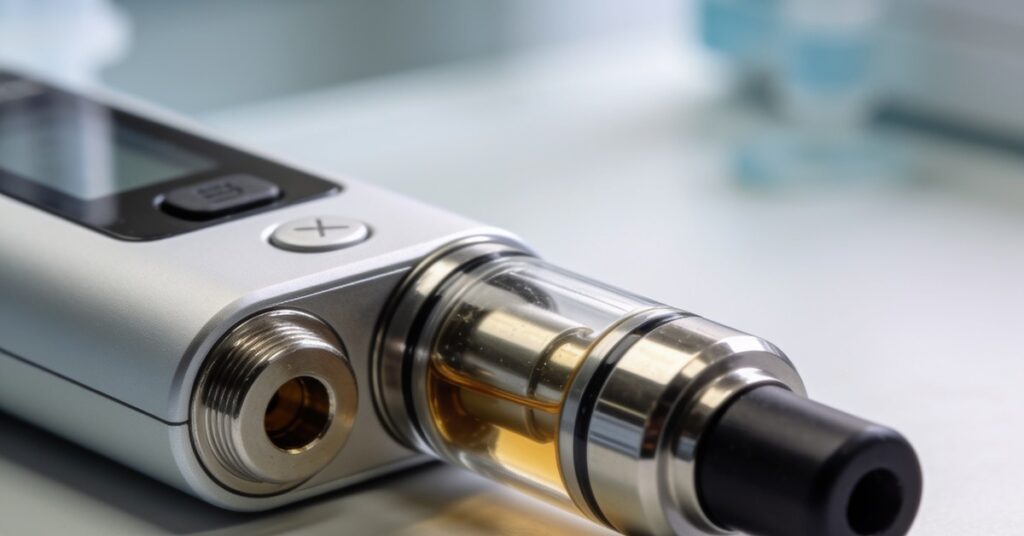
Navigating the complex Health Impact Of Vaping is essential for making informed decisions about your long-term well-being and respiratory health. In this article, I will provide a clear, evidence-based breakdown of the physiological risks associated with E-cigarettes, helping you understand how these substances affect your heart, brain, and oral health. By reviewing these clinical insights, you will be better equipped to manage your health and recognise the specific challenges that Vaping may pose to your body, as the evidence that Vaping carries significant risks continues to mount in medical literature.
The primary Health Impact Of Vaping is that it introduces a range of toxic substances, including heavy metals, carcinogens, and Nicotine, directly into the respiratory and circulatory systems, which can cause both acute physiological stress and long-term systemic damage. While often marketed as a tool for Smoking Cessation, E-cigarettes are not harmless products, and their use poses significant risks to cardiovascular, neurological, and oral health, regardless of whether the liquid contains Nicotine. Understanding these risks is the first step in prioritising your health and making informed decisions about whether to continue or cease using these devices, especially when considering the potential for long-term health effects.
Health impact of vaping
Overview of Vaping Risks
While vaping is frequently marketed as a safer alternative to conventional smoking for current adult smokers, it is far from risk-free. The long-term consequences of electronic cigarette use remain largely uncertain. Vaping involves the inhalation of nicotine, various heavy metals, and toxic chemical compounds, all of which pose significant threats to respiratory function and cardiovascular health. Furthermore, these substances can severely disrupt brain development in adolescents.
Safety Considerations and Target Demographics
It is essential to understand that vaping is not a harmless activity. Individuals who do not currently smoke, as well as anyone under the age of 18, should strictly abstain from using vaping products. Public health organisations emphasise that no tobacco or nicotine delivery system is considered safe.
Primary Health Concerns
- Respiratory Irritation: The process of inhaling vapour often induces coughing and wheezing. Furthermore, it can exacerbate pre-existing respiratory conditions such as asthma.
- Exposure to Toxic Agents: The aerosol produced by heating e-liquids frequently contains dangerous substances, including acetaldehyde, formaldehyde, and acrolein.
- EVALI and Lung Injury: Thousands of instances of e-cigarette or vaping product use-associated lung injury have been documented, particularly when consumers utilise illicit or contaminated liquids.
- Irreversible Damage: Research indicates that the frequent inhalation of these chemical aerosols may lead to permanent lung disease and structural damage to the pulmonary system.
Cardiovascular and Systemic Effects
The physiological impact of vaping extends beyond the lungs:
- Heart Strain: Nicotine acts as a potent stimulant, causing temporary spikes in blood pressure and heart rate, which increases the risk of acute cardiac events like heart attacks.
- Vascular Health: Emerging evidence suggests that vaping contributes to arterial stiffness and oxidative stress, elevating the long-term risk of developing cardiovascular diseases.
- Systemic Safety: Comprehensive reviews of current medical literature suggest that vaping products are inherently hazardous to the vital systems of the human body.
Addiction and Neurological Impacts
Most commercial vaping devices contain high concentrations of nicotine, a substance known for its addictive properties. For young adults, whose neural development continues into their mid-twenties, nicotine exposure can be particularly damaging. It has the potential to impair cognitive functions, including memory, emotional regulation, and the capacity for learning.
Educational Resources for Parents
Parents and caregivers play a crucial role in preventing youth vaping. It is vital to stay informed about the specific dangers nicotine poses to developing brains and to communicate these risks clearly to teenagers. For further clinical guidance and authoritative research, organisations such as the American Lung Association and the Centers for Disease Control and Prevention provide extensive resources on the hazards associated with electronic cigarette use.
Comparing Vaping to Cigarette Smoking and Tobacco Risks
While Vaping is often considered less harmful than Smoking Cigarettes, it is not a safe alternative, as it still exposes the user to a variety of hazardous chemical compounds. Traditional Cigarettes release over 7,000 chemicals, including tar and carbon monoxide, through the combustion of Tobacco, whereas E-cigarettes avoid combustion but introduce their own unique risks. Vaping is approximately twice as effective for quitting smoking compared to Nicotine patches or gum, which is why many individuals transition to these devices, yet they must be aware that the liquids involved contain propylene glycol, vegetable glycerine, flavourings, and often high levels of addictive Nicotine. When comparing E-cigarettes and regular cigarettes, the lack of combustion in Vaping does not equate to the absence of harmful substances, as the aerosolisation process itself can create new, potentially harmful chemical reactions within the device.
Many individuals who transition from smoking traditional cigarettes to using Vaping products do so with the hope of immediate health benefits. However, clinical data suggests that the transition from smoking to Vaping is not a simple switch to a benign habit. The Food and Drug Administration and the National Institutes of Health have both highlighted that these devices are not approved for cessation. Users must understand that while Vaping may be less harmful than smoking in a comparative sense, it is still a tobacco product use-associated lung injury risk factor and remains a subject of intense scrutiny regarding its long-term health consequences.
| Feature | Combustible Cigarettes | E-cigarettes (Vapes) |
|---|---|---|
| Primary Risk | Combustion/Tar/CO | Chemical Aerosols/Heavy Metals |
| Addiction Potential | Very High | Highly addictive (67% dependence rate) |
| Brain Impact | Developmental Harm | Developmental Harm (up to age 25) |
The Toxic Chemical Profile and Harmful Chemicals in Vape Aerosols
Vape aerosols contain a dangerous mix of toxic chemicals, including formaldehyde, acetaldehyde, and acrolein, which can lead to severe Lung Damage and other systemic health issues. Formaldehyde and acetaldehyde are well-documented carcinogens, while acrolein is a potent herbicide known for causing respiratory harm. Furthermore, the aerosolisation process can lead to the presence of heavy metals like lead, nickel, tin, and cadmium, alongside volatile organic compounds (VOCs) such as benzene, toluene, and xylene. Some liquids have also been found to contain diethylene glycol, a toxic ingredient found in antifreeze, and Vitamin E Acetate, a compound directly linked to the development of E-cigarette or Vaping Product Use-Associated Lung Injury (EVALI), a condition that has been extensively documented by the Centers for Disease Control and Prevention.
The dangers of Vaping extend beyond just the primary ingredients, as the heating element itself can degrade, releasing metallic particles directly into the vapor that you inhale. These harmful chemicals accumulate in the deep tissues of the lung, potentially leading to chronic inflammation and obstructive lung disease. From my perspective as a health advocate, it is crucial to recognize that the aerosol isn’t just „water vapor”—it is a complex, synthetic substance that the human respiratory system was never designed to process. If you are concerned about the health effects of electronic cigarettes, you must consider the cumulative exposure to these toxins over months or years of consistent use.
Cardiovascular Health Effects of Vaping and Heart Risks
Daily Vaping can nearly double the risk of having a heart attack by inducing systemic stress on the cardiovascular system. While E-cigarette use is associated with 30% to 40% lower cardiovascular disease risk compared to smoking, the acute exposure to these aerosols still triggers an immediate increase in heart rate and blood pressure. The inhalation of these substances reduces the production of nitric oxide in blood vessels, promotes vascular inflammation, and causes endothelial dysfunction. This heightened state of stress increases platelet activity, which significantly raises the risk of blood clots, acute coronary syndromes, cardiac arrhythmias, and heart failure. These cardiovascular effects are often overlooked by users who focus solely on lung-related risks, yet they represent a massive portion of the total health risks associated with Nicotine vaping.
The relationship between Vaping and heart health is underscored by the immediate physiological response the body has to Nicotine. When you inhale, the substance acts as a stimulant, forcing your heart to work harder and your vessels to constrict. Over time, this chronic strain can lead to permanent changes in vascular elasticity. If you are currently using Vaping devices to quit smoking, it is essential to monitor your blood pressure and heart rate, as the cardiovascular effects of E-cigarette use can be just as insidious as those caused by combustible tobacco smoke.
Impact of Vaping on Adolescent Brain Development
Vaping poses a unique and severe risk to adolescent brain development, as the human brain continues to mature until approximately age 25. Research published on 14 July 2023 links Nicotine exposure to significant harm in brain regions controlling learning, mood, attention, and impulse, while a study from 10 October 2019 confirms that Nicotine affects memory and addiction systems in mice and rats. Because adolescence is a period of major plasticity in brain systems regulating motivated behaviour and cognition, as identified by the PMC7484459 study in 2020, Nicotine treatment during this time leads to decreased synaptic mGluR2 signalling and reduced short-term depression of the prefrontal cortex. These developmental disruptions are strongly linked to cognitive issues, including memory loss and poor concentration, highlighting that Vaping can cause permanent changes to the developing mind.
The highly addictive nature of Nicotine means that once a teenager starts using Vaping products, the cycle of dependency is incredibly difficult to break. We see a clear pattern where the brain begins to rely on the external stimulus of Nicotine to regulate mood, which can result in long-term health effects such as increased anxiety and irritability when the device is not available. It is vital for parents and educators to understand that the impact of Vaping on the teenage brain is not a minor issue; it is a developmental crisis that requires proactive prevention and clear, honest communication about the long-term cognitive costs.
Consequences of Vaping on Oral Health and Gum Disease
The use of E-cigarettes significantly increases the risk of developing oral health problems like periodontitis, caries, and gingivitis due to the chemical composition of the vapour. Propylene glycol and vegetable glycerin in Vape liquids cause xerostomia, or dry mouth, which creates an environment where bacteria thrive, while the aerosolised flavourings create a sticky residue on tooth surfaces. Nicotine further complicates this by constricting blood vessels, which reduces blood flow to the gums and compromises the overall immune system response. This reduction in the antioxidant capacity of saliva and the suppression of the immune system can also lead to slower recovery times following dental procedures such as extractions or implants, as highlighted by a 2024 systematic review and the literature review by AM Iacob. The oral health impact of Vaping is a frequent topic in my discussions with patients who are surprised to find that their dental health has declined since they switched from traditional cigarettes.
Potential Risks of Nicotine vs Nicotine-Free E-Liquids
Choosing nicotine-free E-liquids does not eliminate the health risks associated with Vaping, as the carrier fluids and aerosols themselves are inherently toxic. Both Nicotine and nicotine-free aerosols contain propylene glycol and vegetable glycerin, which can cause airway spasms, and they both contain ultra-fine particles, heavy metals, and diacetyl. While Nicotine is specifically responsible for the 67% probability of developing dependence and impairs brain development in users under 25, the carrier fluids in non-nicotine liquids can still promote bacterial adhesion and increase the risk of cavities. Furthermore, the presence of acrolein in both types of liquids can impair myocardial function, and the accidental ingestion of any E-liquid is a major safety concern, evidenced by the fact that over 80% of U.S. poison control centre calls regarding E-cigarettes involve children under 5 years old. The toxic effects of these carrier fluids are often underestimated by consumers who believe that „nicotine-free” means „harmless.”
Important: Always store E-liquids in a secure, locked cabinet out of reach of children. From my experience, people often underestimate the toxicity of „nicotine-free” bottles, but they are just as much a hazard to small children as those containing Nicotine.
Steps to Protect Your Health
- Monitor your oral health for symptoms like bleeding gums or persistent dry mouth.
- If you are under 25, avoid Nicotine entirely to protect your cognitive development.
- Consult your GP if you notice chest pain, shortness of breath, or palpitations.
- If you use Vapes to quit smoking, set a firm date to transition away from all Nicotine products.
- Keep a record of your Vaping frequency to understand your level of dependency.
Long-Term Respiratory and Systemic Effects of Lung Disease
The most severe long-term Health Impact Of Vaping is the exposure to diacetyl, a flavouring agent that is directly linked to bronchiolitis obliterans, commonly known as „popcorn lung.” This condition causes permanent damage to the small airways of the lungs, leading to difficulty breathing and persistent coughing. Beyond this, the continuous inhalation of toxic compounds and VOCs can lead to chronic inflammation of the respiratory tract. For those concerned about their health, the combination of addictive Nicotine and toxic additives makes Vaping a habit that is best avoided to ensure long-term respiratory and metabolic stability. The health effects of Vaping are multifaceted, and failing to acknowledge the potential for chronic lung disease is a dangerous oversight for any regular user.
Frequently Asked Questions
Is Vaping during pregnancy safe for the foetus?
No, Vaping during pregnancy is not safe because Nicotine is a developmental toxicant that can cross the placenta. It may disrupt foetal brain and lung development, potentially leading to long-term health complications for the child.
Can the vapour from E-cigarettes cause second-hand exposure?
Yes, the aerosol exhaled by a user contains Nicotine, heavy metals, and other harmful chemicals that can be inhaled by bystanders. This second-hand exposure is particularly dangerous for children and individuals with pre-existing respiratory conditions who may suffer from indirect lung injuries.
How does Vaping affect the immune system’s ability to fight infection?
Vaping suppresses the immune response in the lungs by altering the function of airway epithelial cells and reducing the effectiveness of saliva’s antioxidant capacity. This makes regular users more susceptible to respiratory infections and slows down the natural healing processes of the body, which is a major concern for those who use E-cigarettes frequently.
What should I do if I suspect an E-cigarette liquid poisoning?
If you suspect someone has ingested E-liquid, you must contact emergency services or a poison control centre immediately. Do not wait for symptoms to appear, as even small amounts of Nicotine or toxic carrier fluids can cause severe acute reactions in children and adults, a common issue reported to the Centers for Disease Control and Prevention.
Prioritise your long-term wellness by choosing to eliminate all forms of aerosolised Nicotine, as your lungs and brain deserve a life free from the systemic damage these devices cause. If you are struggling to quit, please reach out to your healthcare provider to build a supportive, evidence-based plan that truly puts your health first.