Managing Haemochromatosis is a critical aspect of safeguarding your long-term health, as understanding how to effectively control iron levels is essential for maintaining your daily well-being. In this article, I will provide you with evidence-based insights into how this condition develops, the key symptoms to monitor, and practical strategies to navigate your diagnosis with confidence. By breaking down the complexities of treatment and lifestyle management, I aim to equip you with the knowledge needed to take proactive control of your medical journey.
Haemochromatosis is a genetic disorder that prevents the body from properly regulating iron absorption, leading to a dangerous accumulation of this mineral in vital organs. Because the human body lacks a natural mechanism to excrete excess iron, it becomes stored in the liver, heart, pancreas, and joints, which can cause significant tissue damage over time. While the condition is primarily hereditary, secondary forms can also occur due to external factors such as severe anaemia or frequent blood transfusions.
Haemochromatosis
What is Hereditary Haemochromatosis?
Hereditary haemochromatosis represents a genetic condition characterised by the body’s excessive absorption of iron from dietary intake. This surplus iron is subsequently deposited in vital organs, including the heart, liver, and pancreas. If left unmanaged, this condition, often referred to as iron overload, may result in irreversible tissue damage, potentially leading to serious complications such as cirrhosis, organ failure, diabetes, or cardiovascular issues.
Clinical Presentation and Symptoms
The progression of haemochromatosis is frequently silent, particularly during its initial stages, often manifesting with vague symptoms that frequently mirror those of other health concerns. When clinical signs become evident, usually during middle age, individuals may experience the following:
- Persistent fatigue, lethargy, and physical weakness.
- Aches in the joints, most notably in the knuckles and the initial two fingers of the hand, occasionally referred to as the 'bronze fist’.
- Discomfort or pain within the abdominal region.
- Discolouration of the skin, resulting in a grey or bronze hue, which can resemble a perpetual tan.
- Disturbances in sexual function, such as erectile dysfunction in men or the cessation of menstruation in women.
- Arthritic conditions affecting various joints, though the knees are particularly susceptible.
Diagnostic Procedures
The diagnostic pathway typically commences with routine blood screenings to assess serum ferritin levels and fasting transferrin saturation (TSAT). Should these tests reveal elevated iron concentrations, clinicians generally order a genetic analysis to identify common mutations associated with the HFE gene.
Management and Therapeutic Options
Although there is currently no definitive cure for the condition, it is highly treatable, and timely intervention can prevent severe organ damage. Treatment strategies focus on reducing iron stores and include:
- Venesection (Phlebotomy): The most common approach, involving the regular removal of a specific volume of blood. Frequency is high at the start to reduce iron to therapeutic levels, followed by a maintenance phase involving sessions two to four times per annum.
- Chelation Therapy: Reserved for those unable to undergo regular phlebotomy, this involves pharmacological agents that bind to iron to assist in its removal from the body.
Dietary and Lifestyle Considerations
Patients are often advised to monitor their nutritional intake to help manage iron markers. This includes moderating the intake of iron-fortified products, red meats, and high-dose vitamin C supplements, which enhance iron absorption. Conversely, consuming tea, coffee, or calcium-rich foods during main meals may inhibit the excessive uptake of iron.
Genetic Origins and Causes of Haemochromatosis
Hereditary Haemochromatosis is caused by the inheritance of faulty HFE genes from both parents, making it an autosomal recessive gene disorder. This means that an individual must possess two copies of the mutated gene—one inherited from each parent—to be at risk of developing the condition.
The Role of HFE Gene Mutations
The primary cause of Type 1 Haemochromatosis is a mutation in the HFE gene, with C282Y and H63D being the two most common variants identified in clinical practice. While these are the standard markers, rarer types of the disease can emerge from mutations in other genes, including HJV, HAMP, TFR2, or SLC40A1. It is important to note that mutations specifically in the HAMP or HJV genes are the direct cause of juvenile Haemochromatosis, a more aggressive form of the condition.
Understanding Your Family Risk
If two carriers of the faulty gene have a child, the inheritance outcomes are mathematically fixed. Dealing with the uncertainty of genetic health can be daunting, but understanding these odds is your first step toward clarity.
- 25% chance the baby will inherit two faulty genes and be at risk.
- 50% chance the baby will be a carrier.
- 25% chance the baby will inherit two healthy gene copies.
Northern European or Celtic ancestry is a significant demographic risk factor that healthcare providers often consider when evaluating potential genetic predisposition.
Recognising the Symptoms of Haemochromatosis
Symptoms of iron overload typically manifest between the ages of 30 and 60. From my experience, keeping a simple symptom diary is the best way to track these subtle changes before they progress into more systemic health challenges.
| Symptom Category | Specific Signs to Watch |
|---|---|
| Musculoskeletal | Pain and stiffness in knuckles (index/middle fingers) |
| Dermatological | Bronze or grey skin hyperpigmentation |
| Organ/Metabolic | Hepatomegaly, heart arrhythmias, new-onset diabetes |
| Reproductive | Erectile dysfunction, libido loss, menstrual irregularities |
Diagnostic Procedures for Haemochromatosis UK Patients
A diagnosis of Haemochromatosis is confirmed through a combination of blood analysis and targeted genetic testing to assess the extent of iron overload. Clinicians typically begin by ordering a serum transferrin saturation test and a serum ferritin test to measure the current iron burden in the bloodstream.
When further confirmation is needed, a 2-5ml blood sample is collected in an EDTA tube for DNA testing to identify specific gene mutations. Depending on the clinical findings, a genetic test order form may be sent to Oxford, or a rare disease test order form may be directed to the East Genomics laboratory. In cases where organ involvement is suspected, an MRI T2* scan is the gold-standard imaging technique used to visualise and quantify iron deposits within the body.
Clinical Management and Treatment Strategies
The primary treatment for iron overload is therapeutic phlebotomy, also known as venesection, which involves drawing one unit—approximately one pint—of blood on a weekly or bi-weekly schedule to reduce iron levels. If phlebotomy is not possible due to poor or fragile veins, iron chelation therapy is utilised as an alternative, using prescription medications such as deferasirox, deferoxamine, or deferiprone.
Beyond clinical intervention, you must adopt strict lifestyle modifications to manage your condition safely. Ever wondered if there is a simpler way to stay on top of your intake? It comes down to consistency.
- Avoid iron supplements and multivitamins containing iron.
- Steer clear of vitamin C supplements, as they boost iron absorption.
- Minimise or eliminate alcohol to protect your liver.
- Avoid raw fish and shellfish to prevent bacterial infections.
Important: Always consult your GP before starting any new supplement regime, as many common products contain hidden iron that can be harmful to your health.
Complications of Haemochromatosis and Long-term Risks
Untreated Haemochromatosis leads to severe, life-threatening complications as excess iron facilitates progressive damage to vital organs. The most critical risks include liver cirrhosis and the potential development of hepatocellular carcinoma, as well as congestive heart failure and chronic arrhythmias.
Metabolic and musculoskeletal health also suffer significantly, with patients facing a high risk of developing Type 2 diabetes and debilitating osteoarthritis, particularly in the knuckles, wrists, and hips. Finally, unmanaged iron overload often results in long-term endocrine issues, including erectile dysfunction, low libido, amenorrhoea, and the onset of early menopause.
Frequently Asked Questions
Can I donate blood if I have been diagnosed with Haemochromatosis?
While you cannot usually donate through standard donor centres, therapeutic phlebotomy is a form of blood removal that serves as your primary treatment. You should discuss your status with your haematologist to ensure your blood management plan is safely integrated with national health services.
Are there specific foods I must ban from my diet?
You should primarily avoid iron-fortified cereals and red meats that are exceptionally high in heme iron. Additionally, avoiding raw shellfish is essential because the bacteria Vibrio vulnificus thrives in iron-rich environments, which can be dangerous for those with iron overload.
How does the liver process the excess iron?
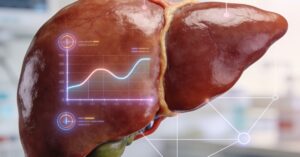
The liver is the primary storage organ for iron, but because it lacks a mechanism to dispose of it, the metal accumulates in the cells known as hepatocytes. This build-up eventually triggers inflammation and scarring, which can lead to permanent damage if the iron levels are not brought under control.
Does iron overload affect my mental health?
Many patients report symptoms of fatigue and „brain fog” associated with systemic iron toxicity, which can indirectly impact your mood and mental clarity. Addressing the physical iron burden often leads to a significant improvement in overall energy levels and cognitive function.
Taking proactive control of your iron levels through regular monitoring and consistent phlebotomy is your most powerful defence against long-term complications. Lean on your healthcare team for support, as early and diligent management is the key to living a full, healthy life with this condition.